Details About Paper Air Dunnage Bag
Flat‑fold carton‑packed format is engineered for high‑throughput terminal‑operation circumstance. Folding crease positions are preset according to mechanical‑test feedback, preventing crack initiation originating from fold‑lines during subsequent inflation process. Carton outer‑wall prints clear part‑spec labelling information for quick inventory sorting and batch identification inside customer’s warehouse storage zones.
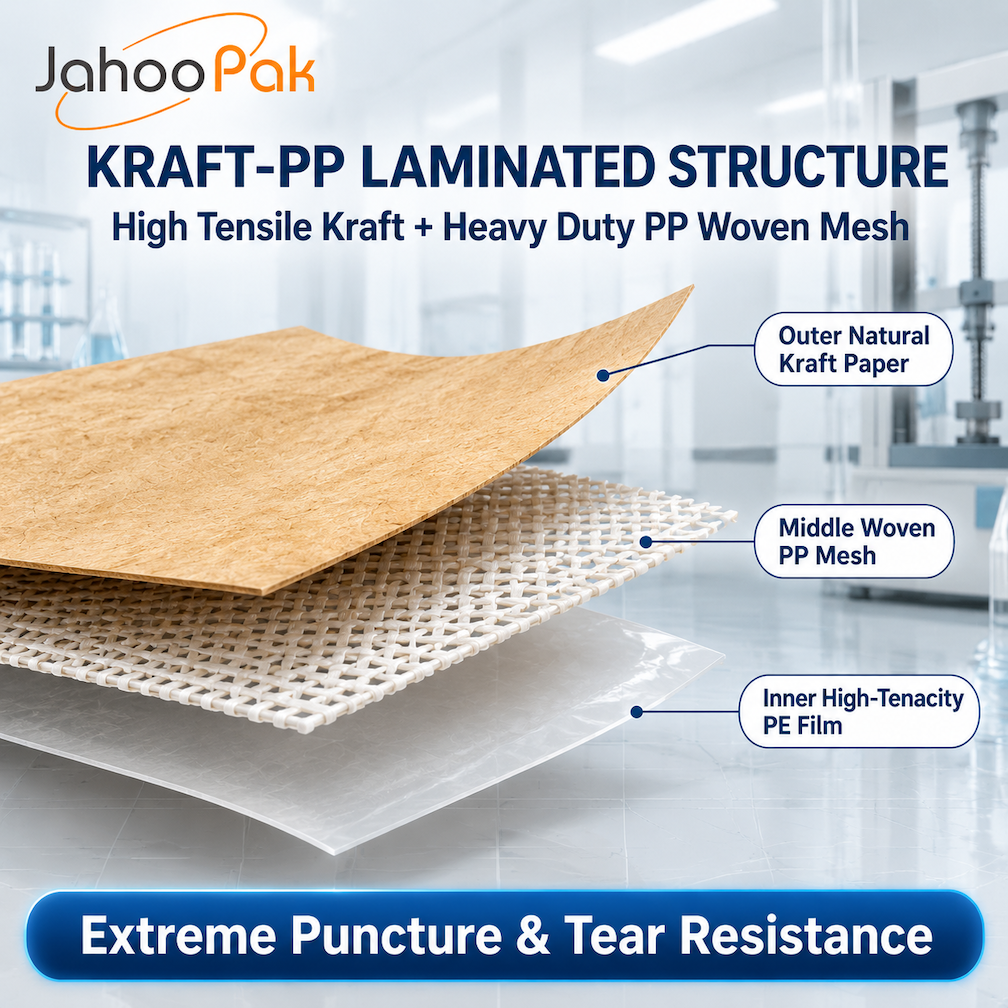
- 1 Raw‑material receiving station filters out thickness‑uneven original kraft‑paper substrate
- 2 Multi‑ply hot‑lamination removes bubble‑delamination flaws from paper composite stock
- 3 Pre‑calibrated valve restrains pressure‑exceed risk within single‑trip operating‑condition
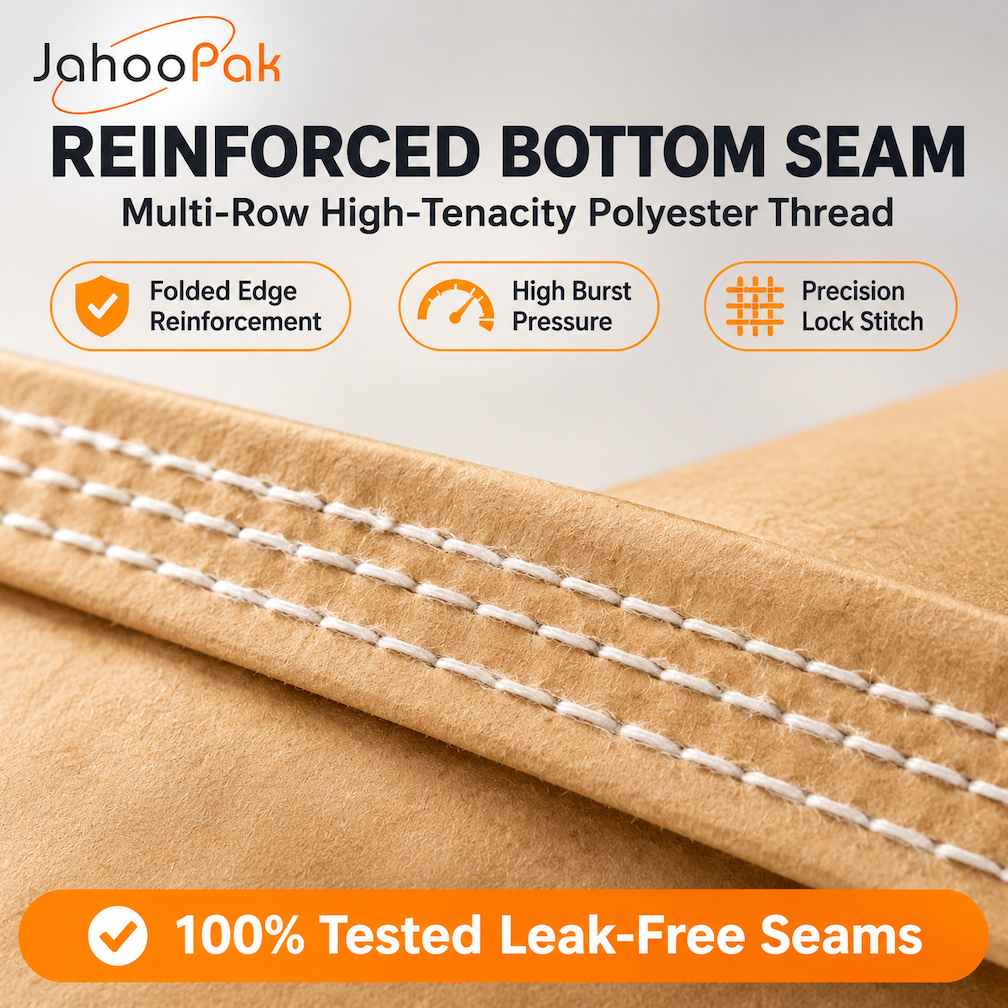
- 4 Per‑article air‑tightness probing inspection cuts leakage‑complaint probability for end‑users
- 5 Flat‑compact carton‑packing improves space‑utilisation for busy logistics‑terminal storage
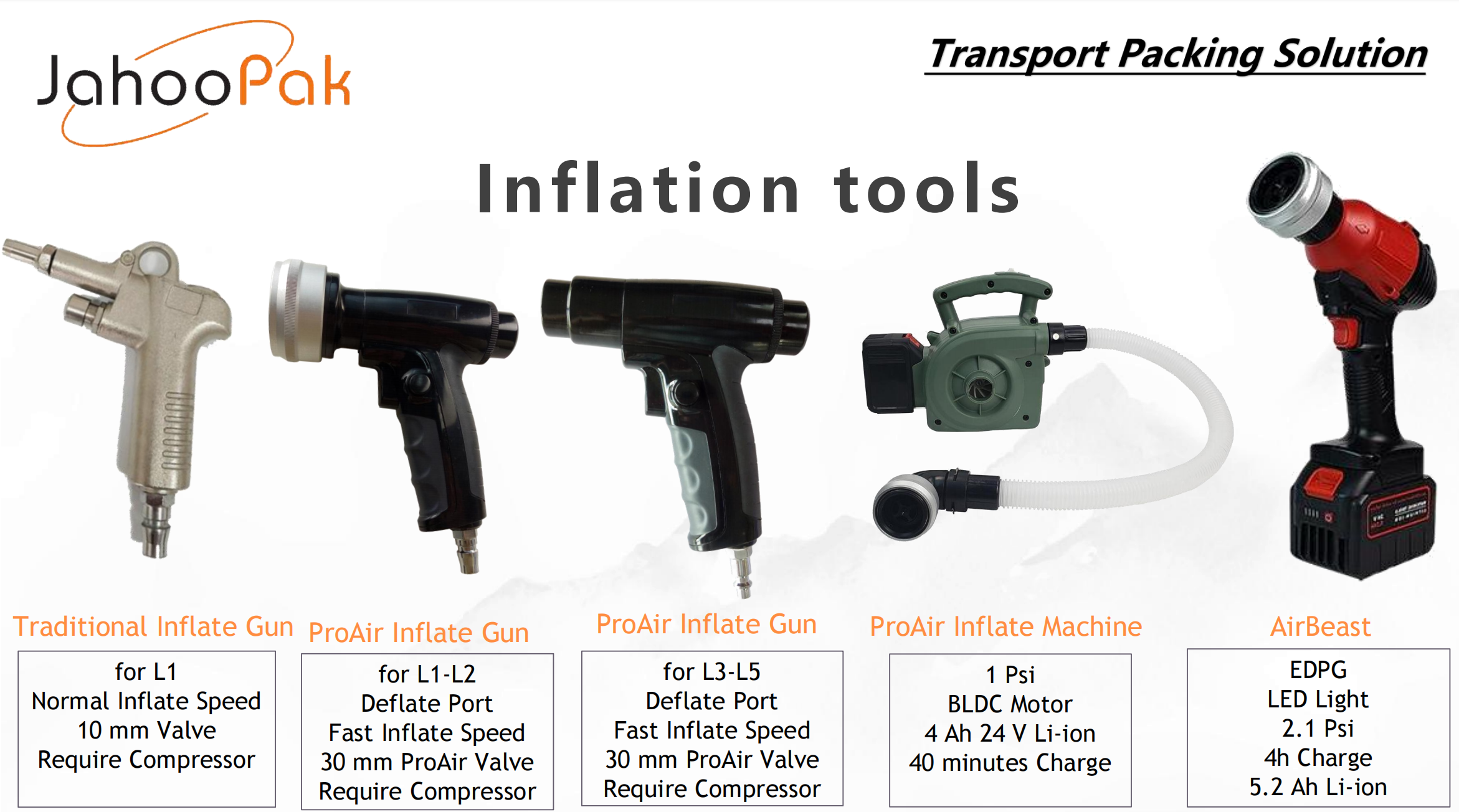
- 6 Compatible with regular handheld inflator‑guns used across most global export‑loading yards
- 7 Custom‑print supports combined logo, safety warning and batch‑code information layout
- 8 Lot‑sampling burst‑test reproduces actual ocean‑transit mechanical‑stress circumstance
- 9 Expendable single‑trip design matches high‑volume FCL‑export daily‑consumption pattern
How To Use Dunnage Air Bags
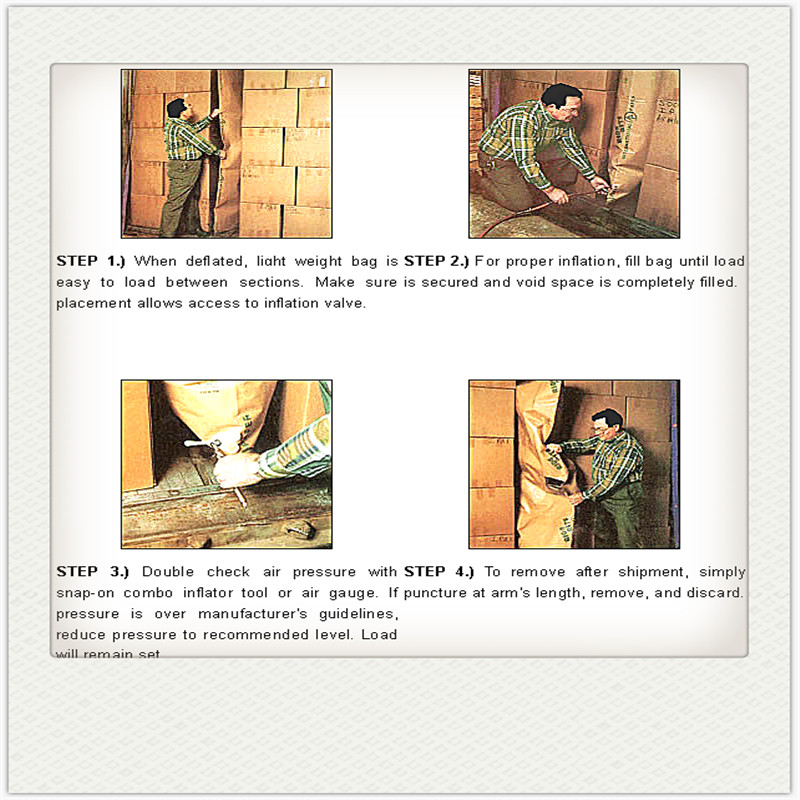
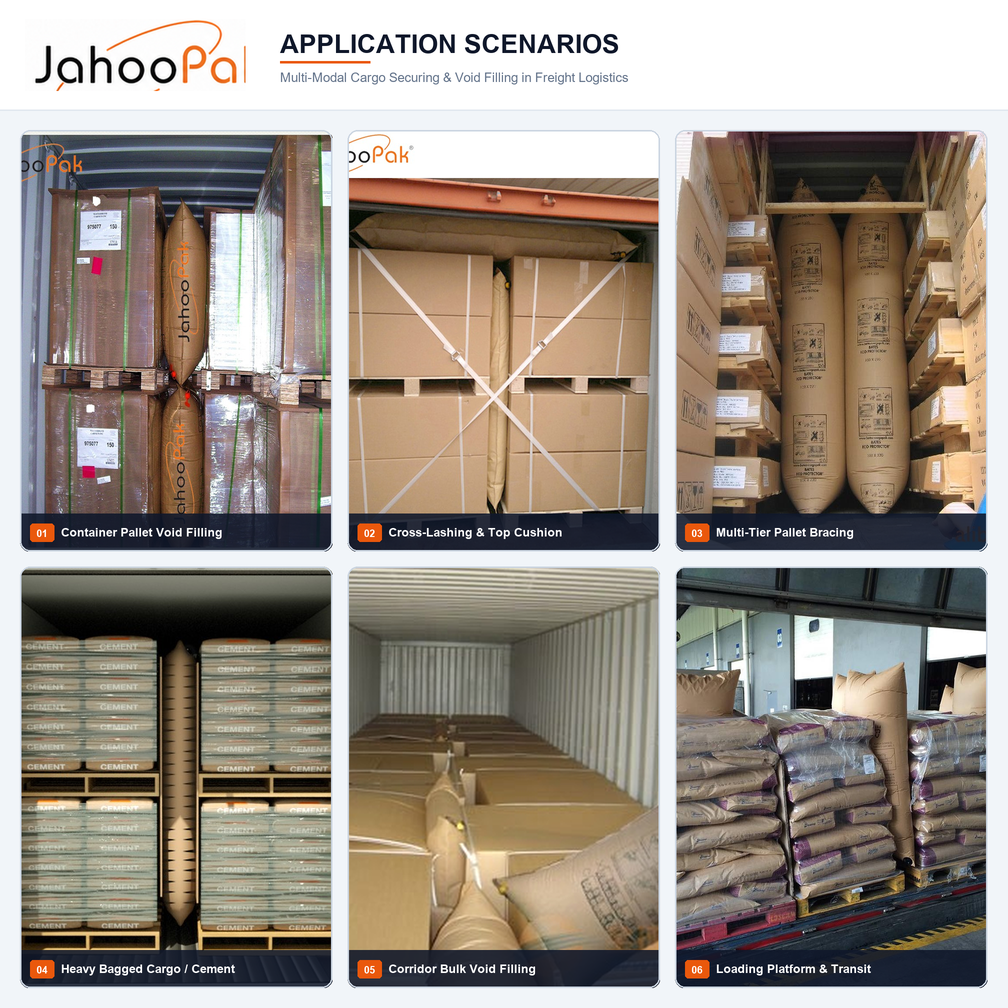
- 1. Slide deflated bag into gaps with valve outward Insert the lightweight flat kraft bag into the empty space between cargo stacks. Keep the inflation valve facing outwards, so the inflator can be connected quickly. Avoid twisting the bag body during placement.
- 2. Inflate to fully fill the void and secure cargo Attach the inflator nozzle to the valve and inflate slowly. Stop inflation once the load is tightly secured and there is no remaining void space. The inflated bag absorbs shock and restricts cargo movement.
- 3. Inspect pressure value with measuring tool Check internal pressure with combo inflator or separate air gauge. If pressure exceeds the manufacturer’s guideline, reduce pressure to the safe working limit. The cargo support will stay reliable after this check.
- 4. Puncture and discard the bag after cargo receipt Once the shipment arrives at destination, puncture the bag at arm’s length for air release. This disposable kraft bag is not suitable for repeated use. Remove and discard the bag after deflation.
Popular size:
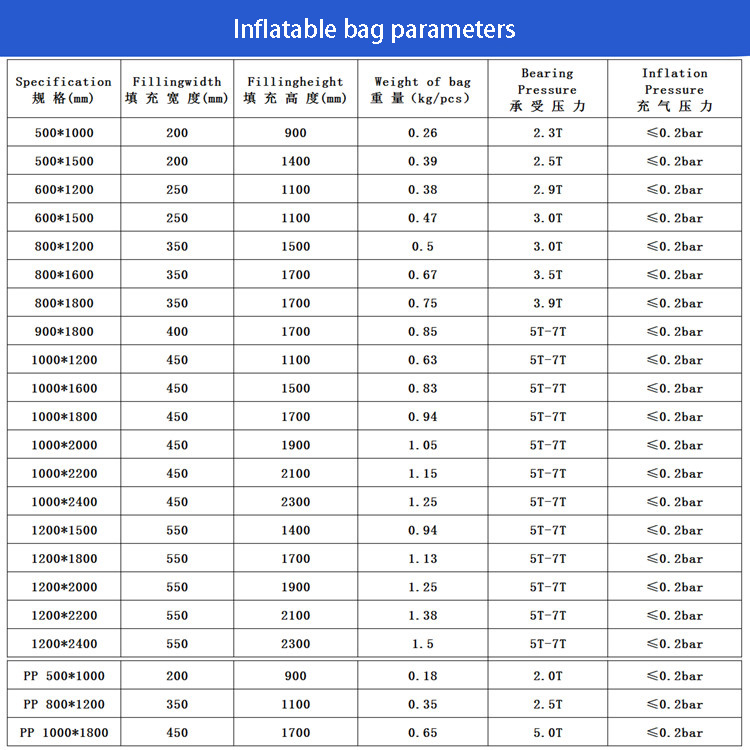
Kraft Paper Bags and PP Woven Bags Can Be Compared in One Table
This table separates kraft paper dunnage bags and PP woven dunnage bags for easy comparison. Kraft paper bags are lightweight and low cost, making them suitable for one way export shipments. PP woven bags are heavier but more wear resistant and reusable. Buyers can compare filling width, filling height, weight and bearing pressure under the same dimensions. For disposable FCL loading, kraft paper bags are usually the first choice. For repeated circulation, PP woven bags may offer better long term value.
Different Levels:
Flat Grade Has Special Application for Normal Loading
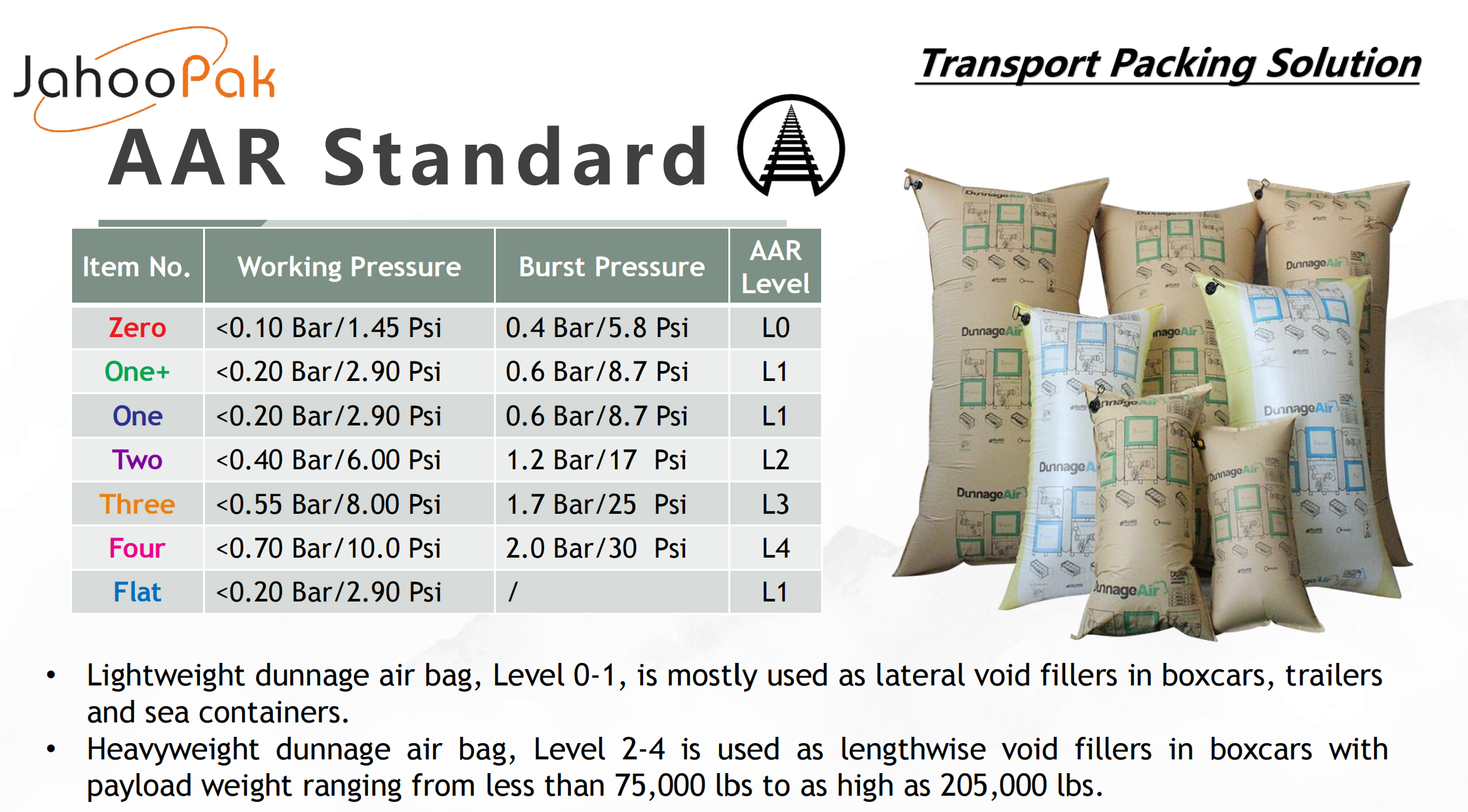
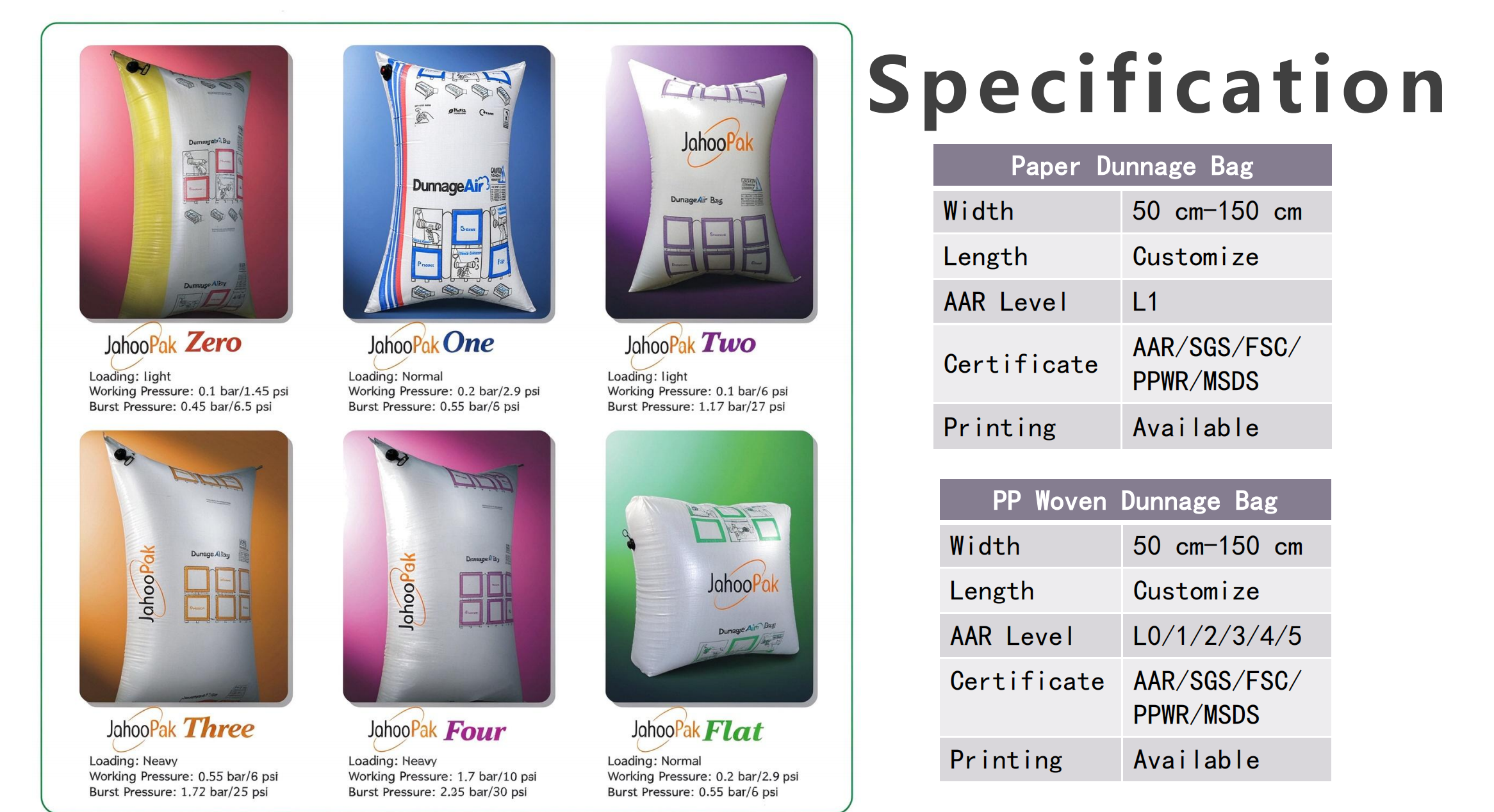
Flat grade is classified as L1 under the AAR standard. It is designed for normal loading conditions with a working pressure below 0.20 bar. Its burst pressure is 2.90 bar. Flat grade can be used when the cargo is not extremely heavy and the gaps do not generate high longitudinal force. It is a practical option for standard container stuffing operations. Users should still confirm the cargo weight and gap direction before use.
Specification:
Printing Service Makes Branding and Identification Easier
Both paper and PP woven dunnage bags support printing. Customers can print their company name, logo, warning marks or handling instructions on the bag surface. Custom printing helps improve brand exposure during every shipment. It also makes identification easier for loading teams. Staff can quickly recognize different grades or specifications during container stuffing. Printing can be added while keeping the bag’s normal supporting function. Customers should provide their artwork and confirm the printable area before production.
Valve Selection Affects Inflation Speed and Air Tightness
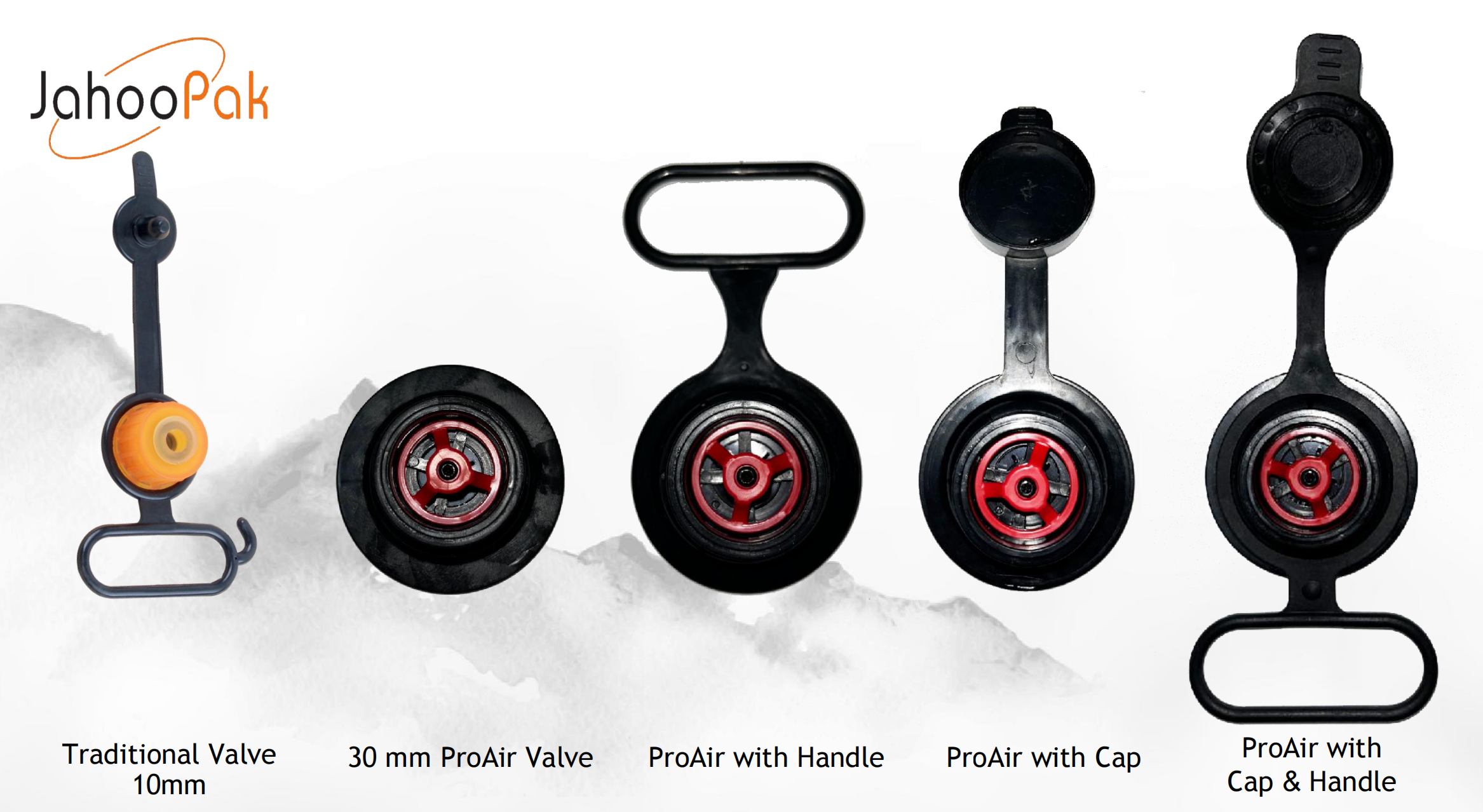
Different valves affect inflation speed and air tightness. The traditional 10 mm valve is simple and widely used. ProAir valves are larger and support faster airflow. They are often used for large bags and heavy duty applications. Valves with caps and handles are easier to operate and protect the valve core. Staff should close the valve cap properly after inflation. Correct valve operation helps maintain stable pressure during transit.