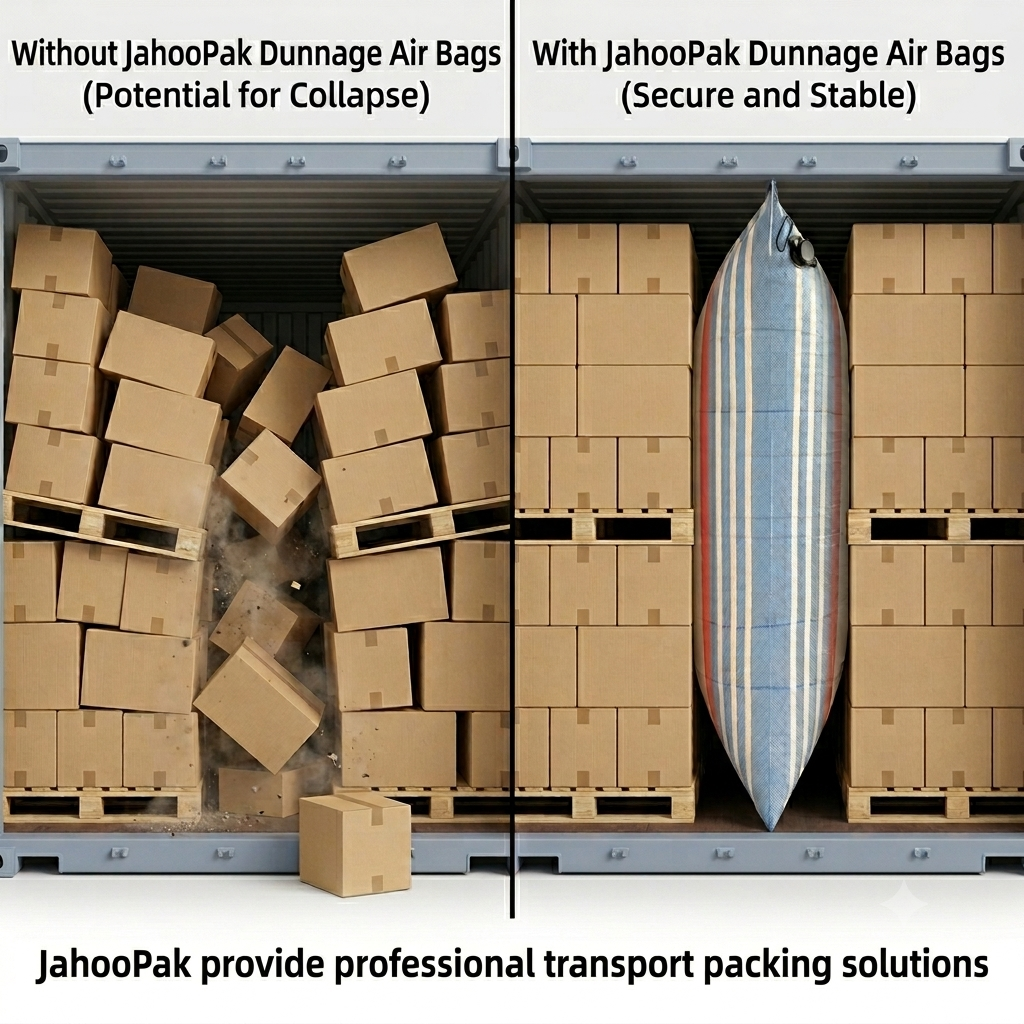
Details About PP Woven Air Bag:
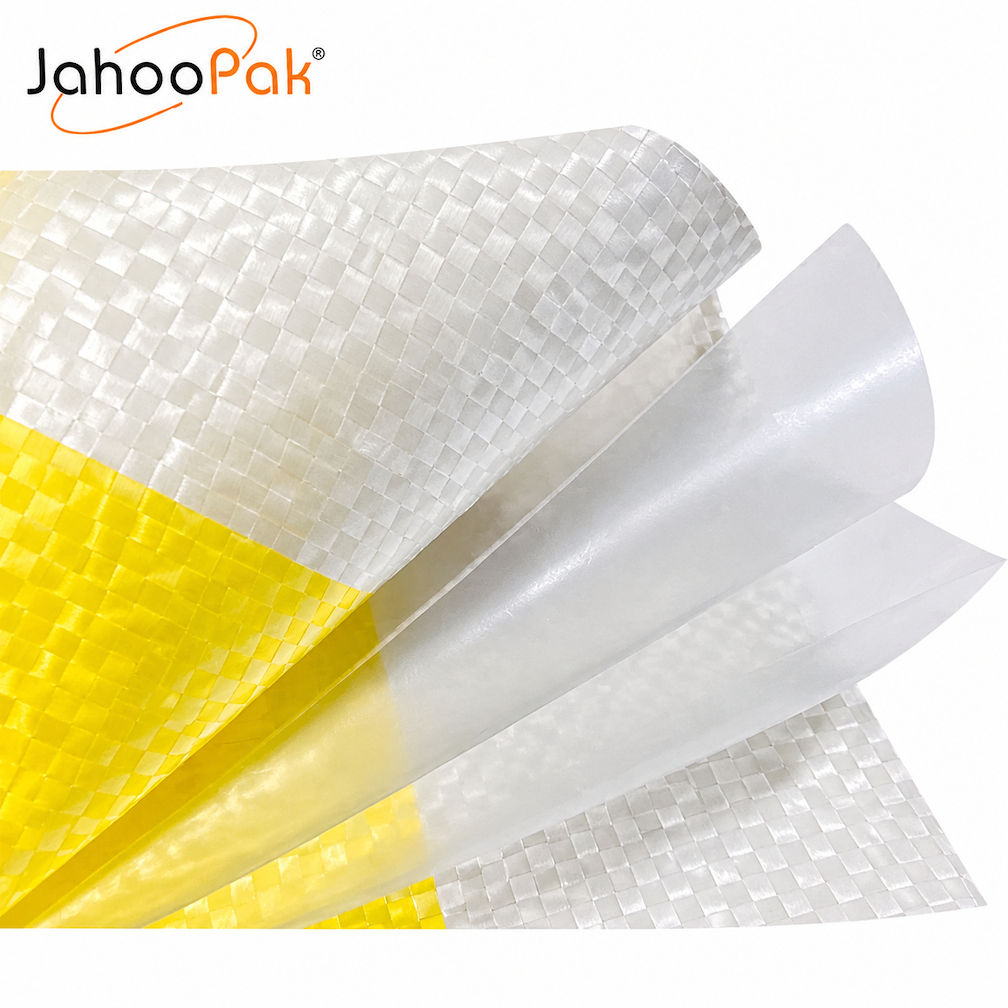
Dimension flexibility covers intermediate and oversized void scenarios beyond common off‑the‑rack stock sizes. Engineering staff analyse submitted gap sketches and cargo tonnage inputs to recommend suitable bag width‑to‑length proportions. Custom dimension lots still follow identical four‑phase QC protocol applied to standard‑size production batches without quality concession.
How To Use Dunnage Air Bags
TIP Step by Step Operating Instructions
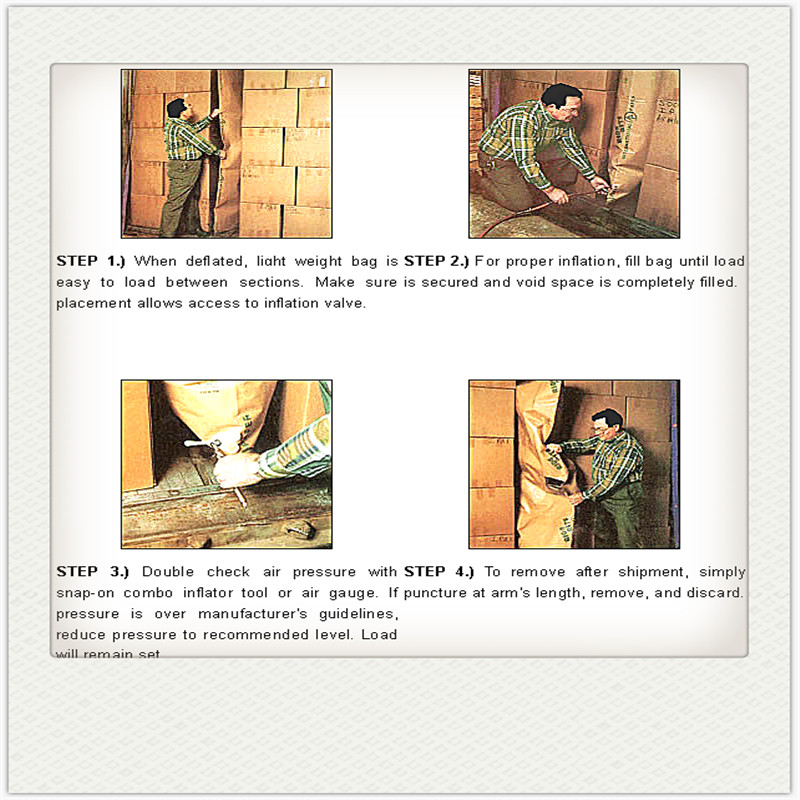
- Verify bag type before use: Distinguish kraft paper single use bags and reusable PP woven bags. Paper bags cannot be reused after deflation. Woven bags support repeated inflation and deflation. Do not use paper bags for circular logistics projects.
- Clean the gap thoroughly: Clear wood splinters, metal scraps and broken plastic pieces from the void space. Even tiny sharp fragments can pierce the bag during vibration. Wipe dusty surfaces if the goods are rough and abrasive.
- Install the bag and align valve: Place the bag into the gap. Adjust the valve position to avoid being blocked by cargo. Make sure the valve cap can be operated freely. Do not stretch the bag forcibly when putting it into narrow gaps.
- Inflate at a steady speed: Control air flow to avoid sudden fast inflation. Sudden pressure spikes may damage the inner film. Check the tightness of adjacent cargo stacks from time to time. Stop inflating once the cargo is locked firmly.
- Check leakage after inflation: Gently press the bag surface and listen for air escaping sounds. If leakage occurs at the valve, re lock the nozzle connection. If the bag body leaks, remove it and replace with a new one immediately.
Popular size:
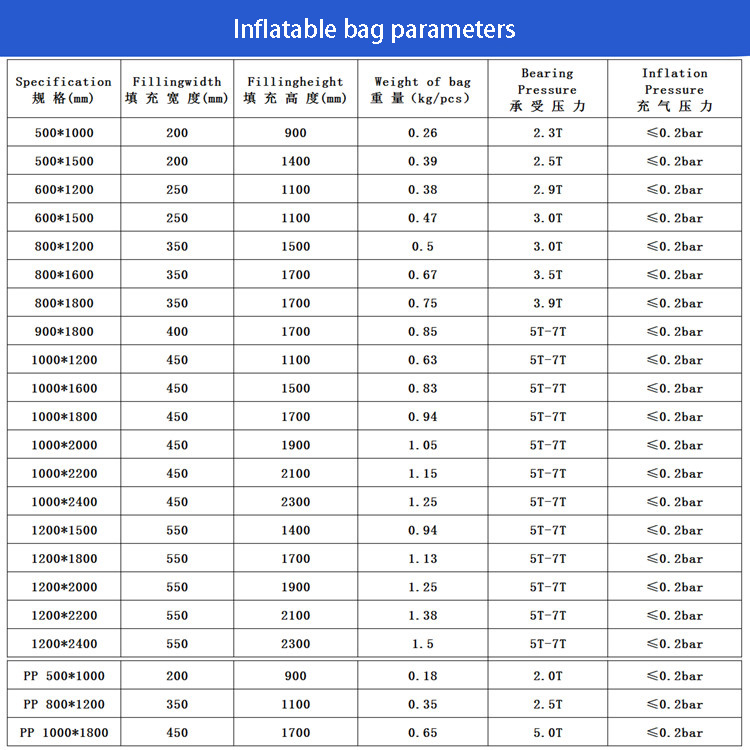
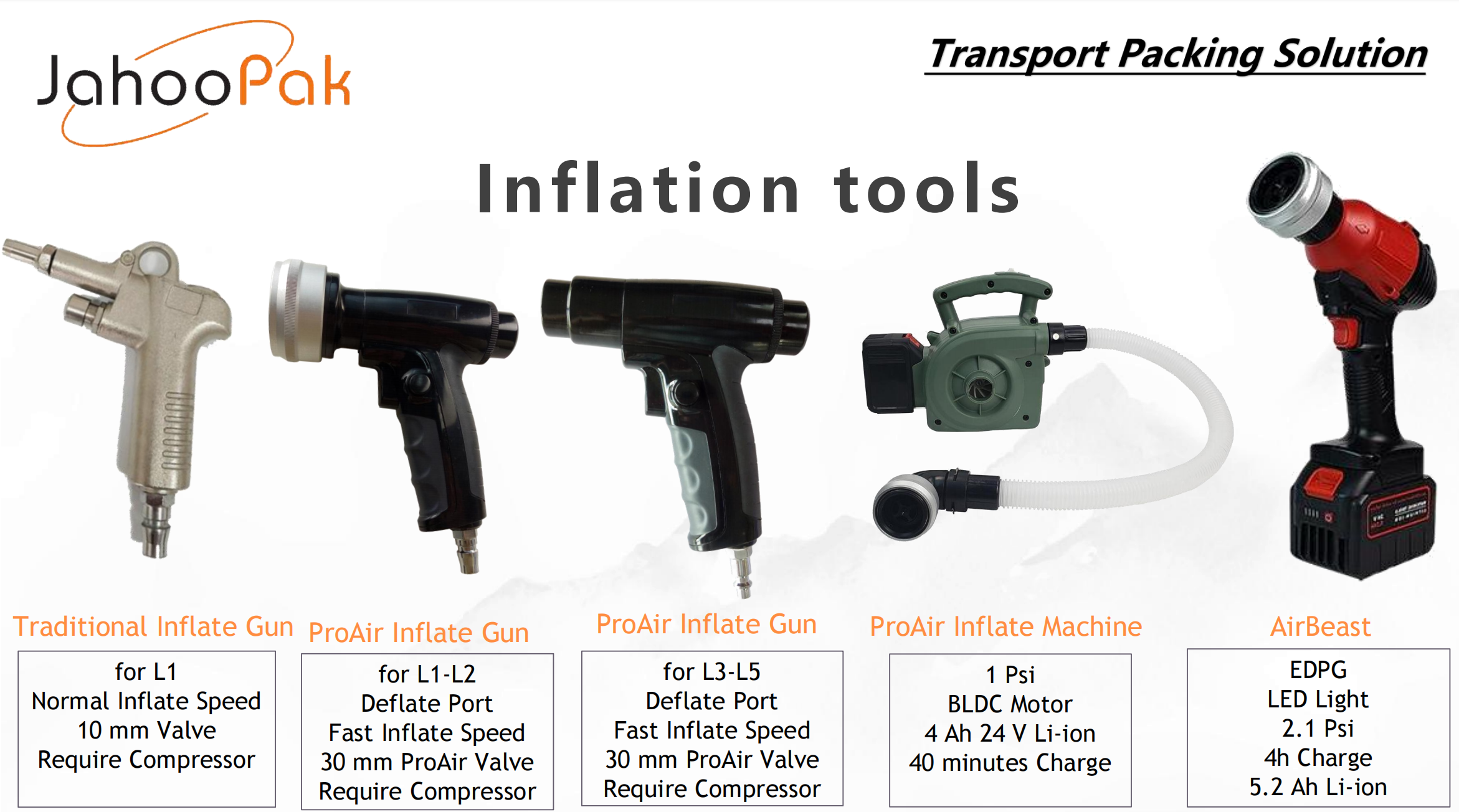
Inflation pressure control is the key point to avoid bag failure. All sizes in this table require inflation pressure no more than 0.2 bar. No matter you use traditional inflate gun, ProAir inflator or portable inflator machine, you need to control air pressure strictly. Do not inflate beyond the limit even if you feel the bag is not tight enough. Excessive pressure will increase internal tension and cause burst easily. If the gap is wide or cargo is heavy, you should choose larger size or higher grade bag instead of raising inflation pressure. This operation rule applies to both kraft paper and PP woven dunnage bags.
Different Levels:
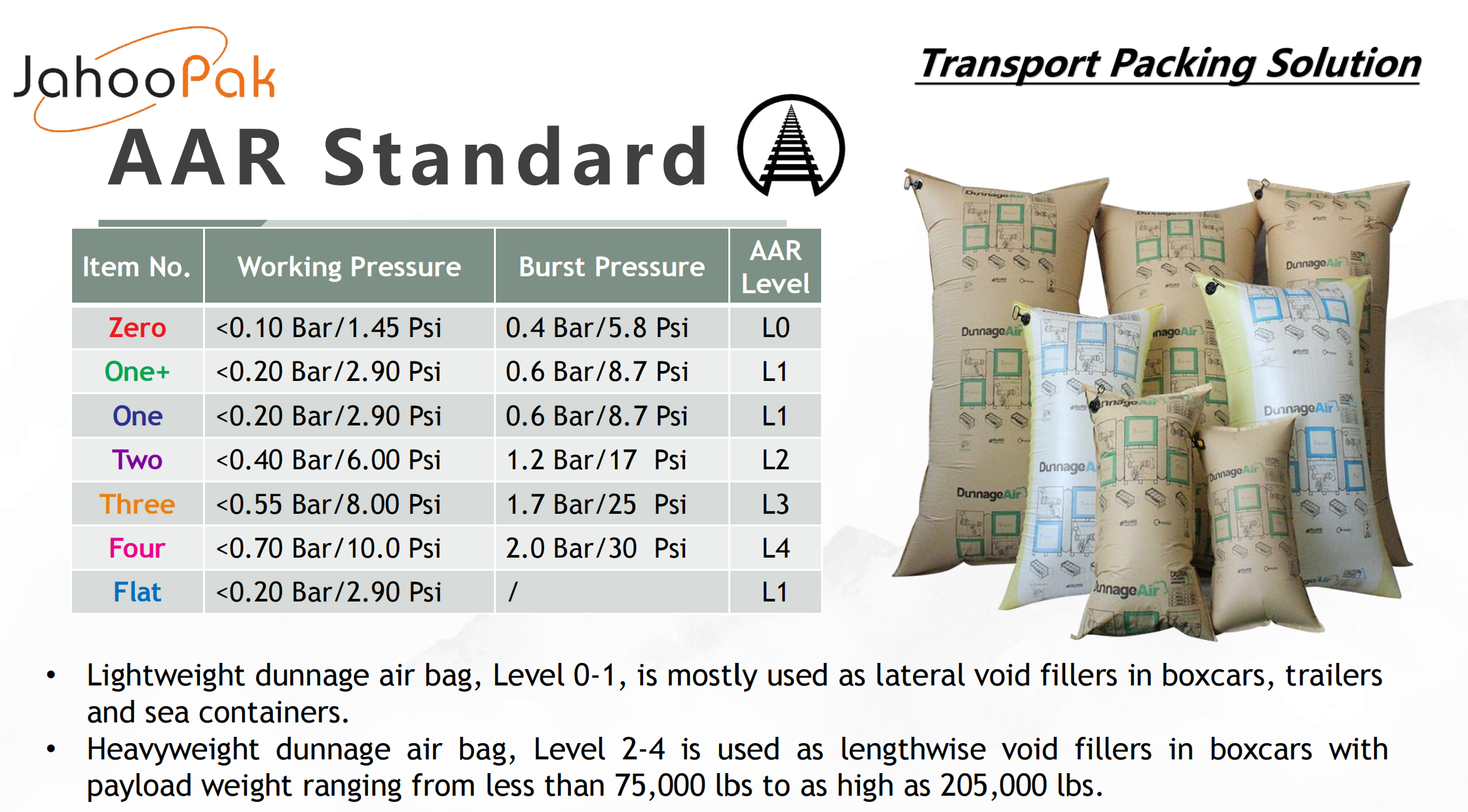
Working pressure and burst pressure are two different indicators you must distinguish. Working pressure is the safe pressure you should keep during use. Burst pressure is the limit value where the bag may break. There is a safe margin between these two numbers. You should never inflate close to burst pressure. For example, Four grade bags have working pressure below 0.70 bar while burst pressure is 2.0 bar. The margin protects bags from pressure fluctuation caused by temperature change and cargo impact. Always follow the working pressure mark on product sheet instead of testing the burst limit on site.
Specification:
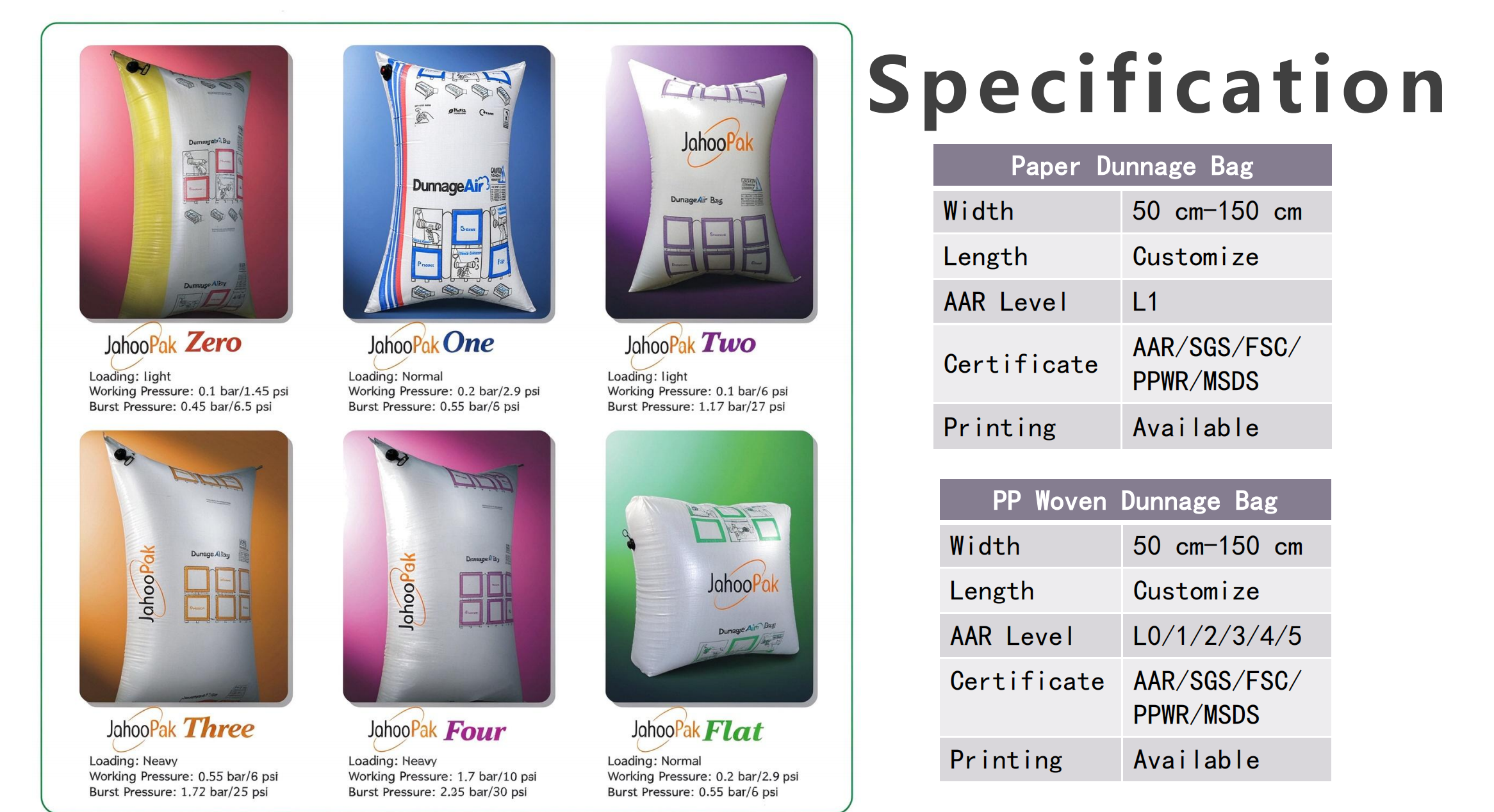
Certification is an important guarantee for our dunnage bags in international shipping. Our bags hold AAR certification which is required for rail transport in North America. SGS test reports prove the material safety and physical performance. FSC certificate confirms the paper material comes from responsible forest sources. PPWR compliance makes our products suitable for European market. MSDS document provides material safety information for shipping and customs check. All these certificates can be offered for your customs clearance and buyer audit. We keep documents updated to match latest import rules of different countries.
⚙
Inflation Tools:
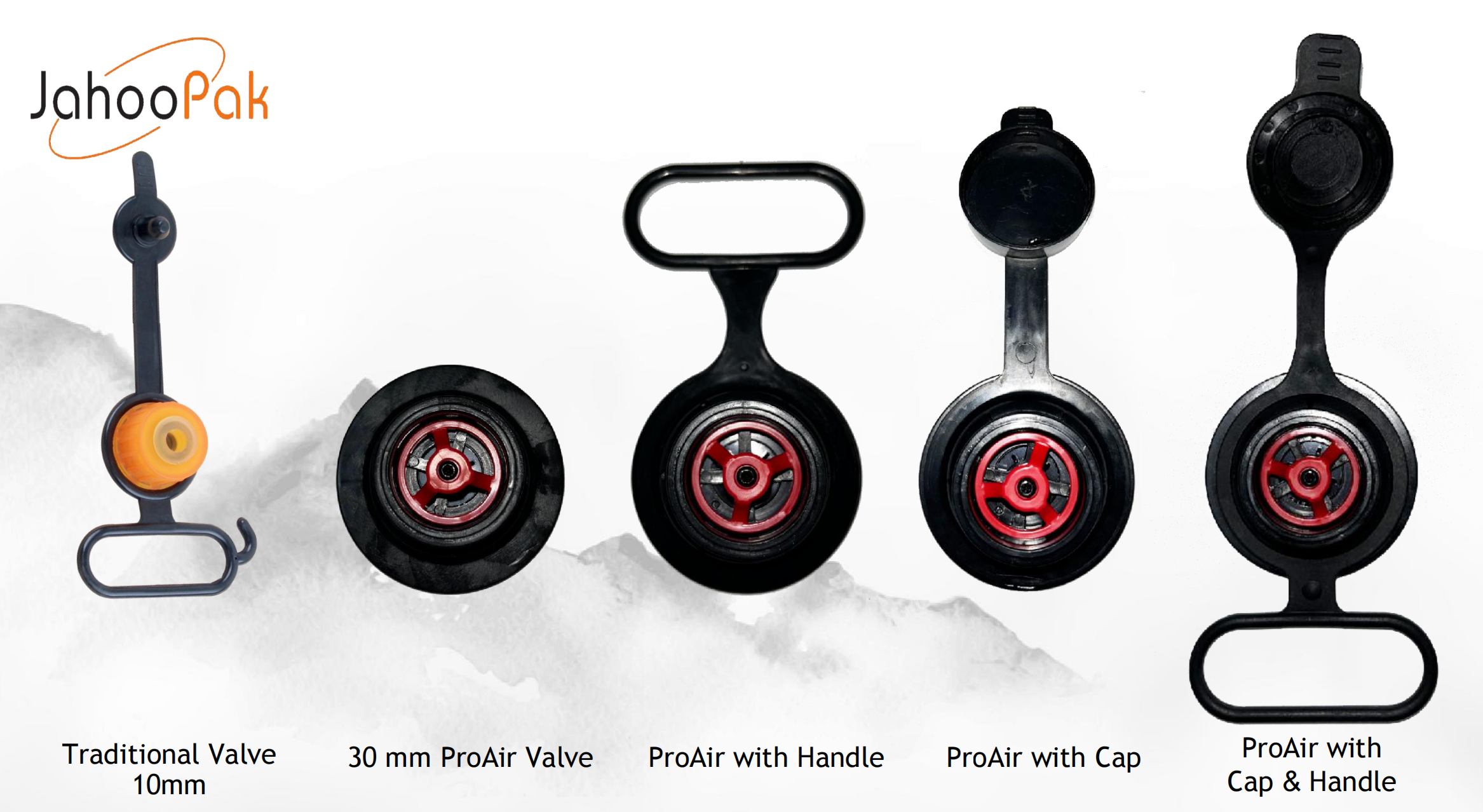
Valve selection decides which inflator you can use for your dunnage bags. We provide five mainstream valve options. The traditional 10 mm valve is simple and low cost, suitable for basic kraft paper bags. The 30 mm ProAir valve is our upgraded core style. It has four variants including basic type, style with handle, style with cap and style with cap plus handle. The handle makes it easier to grab and place the bag inside gaps. The cap can protect the valve core from dirt and accidental air leakage during transit. All ProAir valves are compatible with our ProAir inflate guns. When you place an order, you need to confirm valve type first so we can match the correct inflation tool for you.
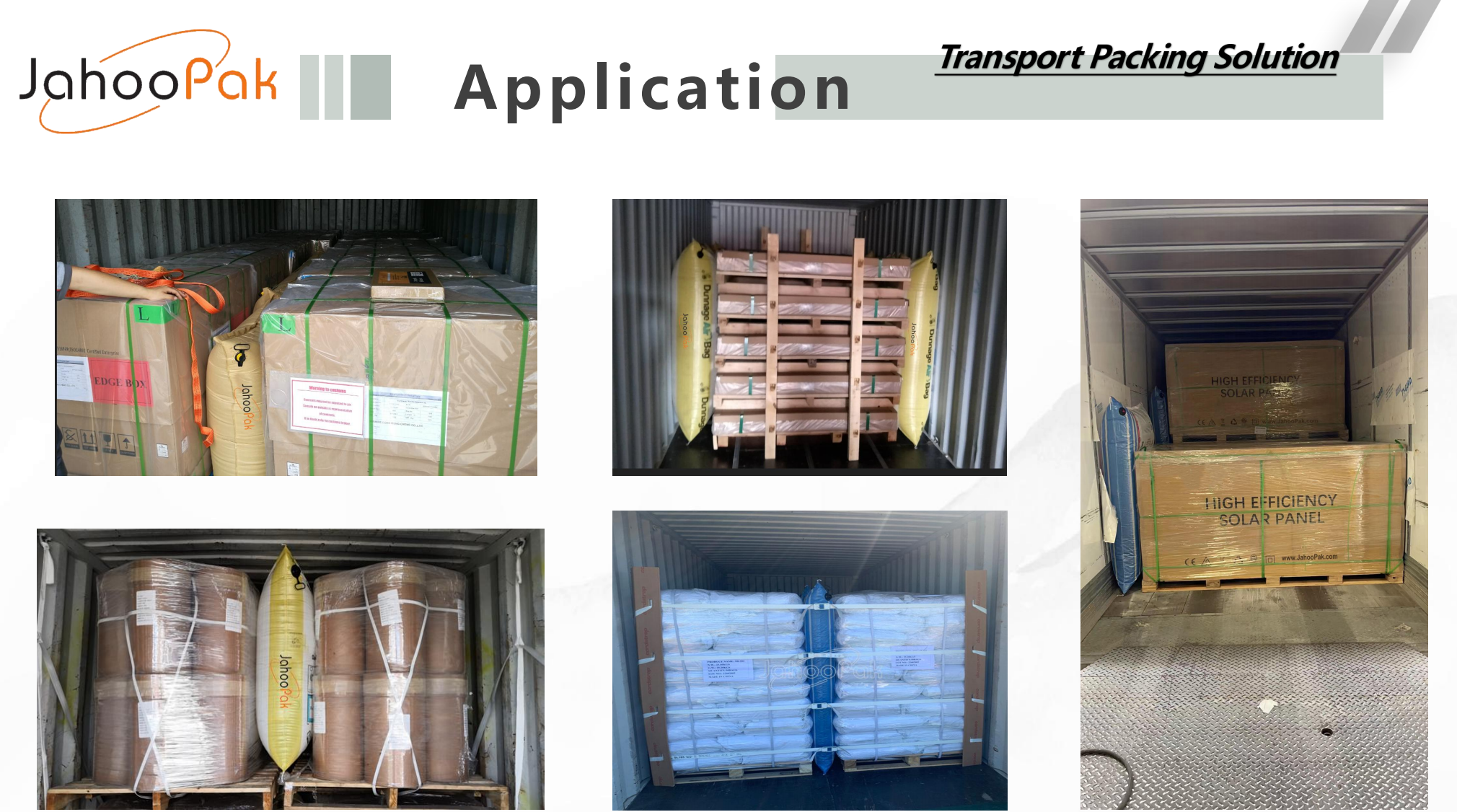
Application:
Scene Image