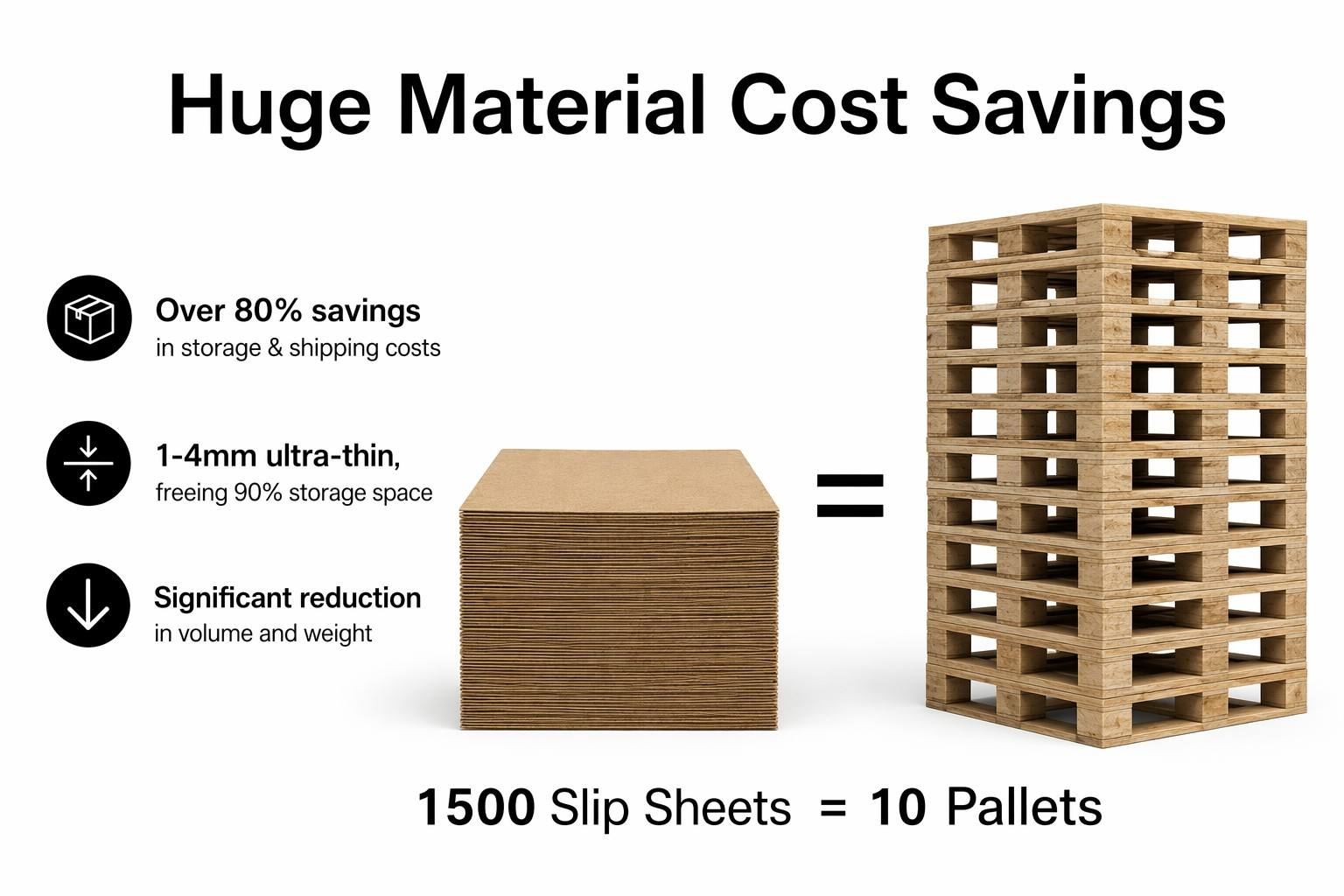
Product profile
A kraft paper slip sheet is a thin, sturdy sheet made from heavy-duty kraft paper, typically 2-5mm thick, designed as a pallet-free base for transporting and storing goods.
They are manufactured by laminating multiple plies of strong, wet-strengthened kraft linerboard, creating a product that is both tear-resistant and moisture-resistant. They are designed for use with a forklift equipped with a special “push-pull” attachment.
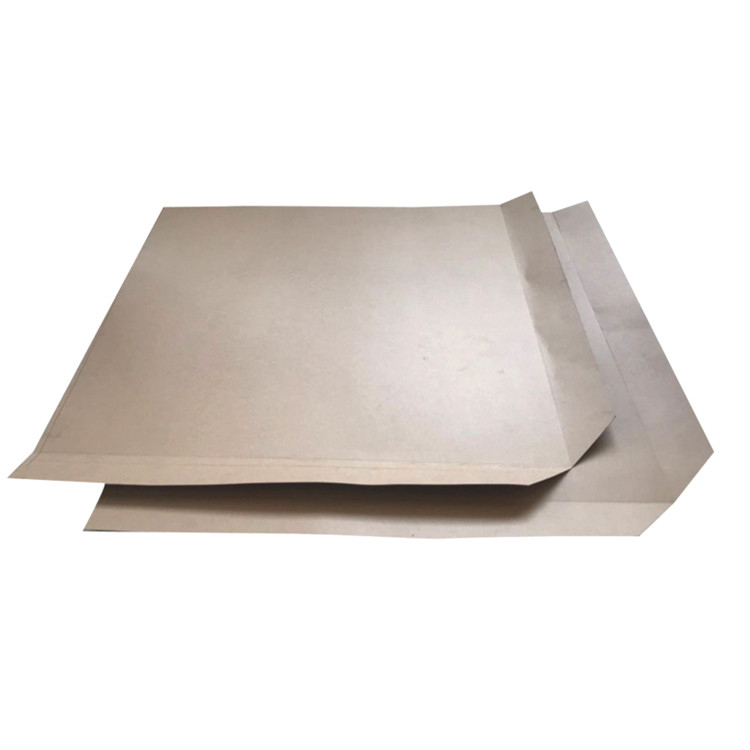
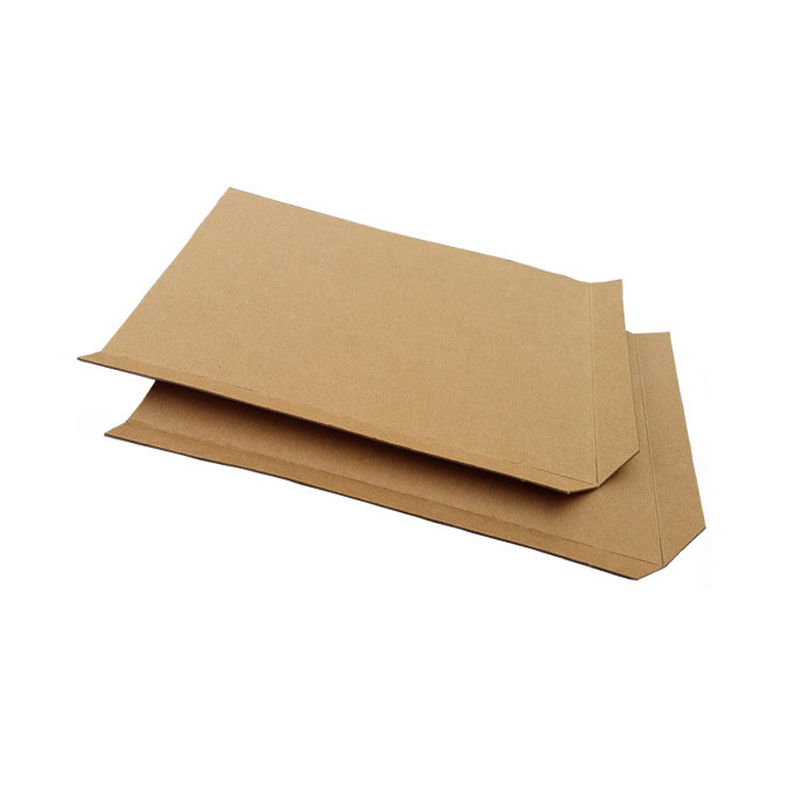
Product Usage
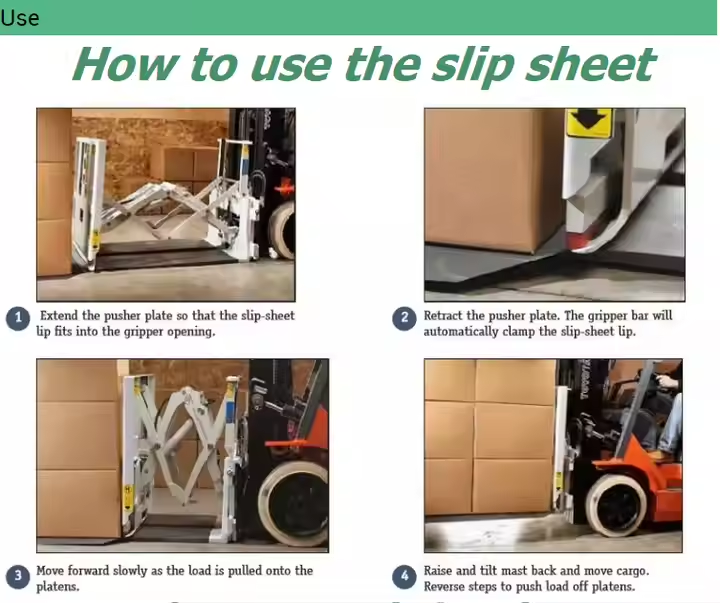
Using a kraft paper slip sheet requires a specific handling method, mainly requiring a forklift with a push-pull attachment. Here are the key steps:
01. Prepare the Load
Place the slip sheet on a flat, stable surface. Stack your products evenly on top, then secure the load with stretch wrap or straps.
02. Handle with Forklift
The forklift operator positions the push-pull clamp over the extended lip (tab) of the slip sheet, grips it, and pulls the sheet with the load onto the forklift’s platform. To unload, the process is reversed.
03. Alternative Methods
For lighter loads, workers can sometimes slide the slip sheet manually using its tab.
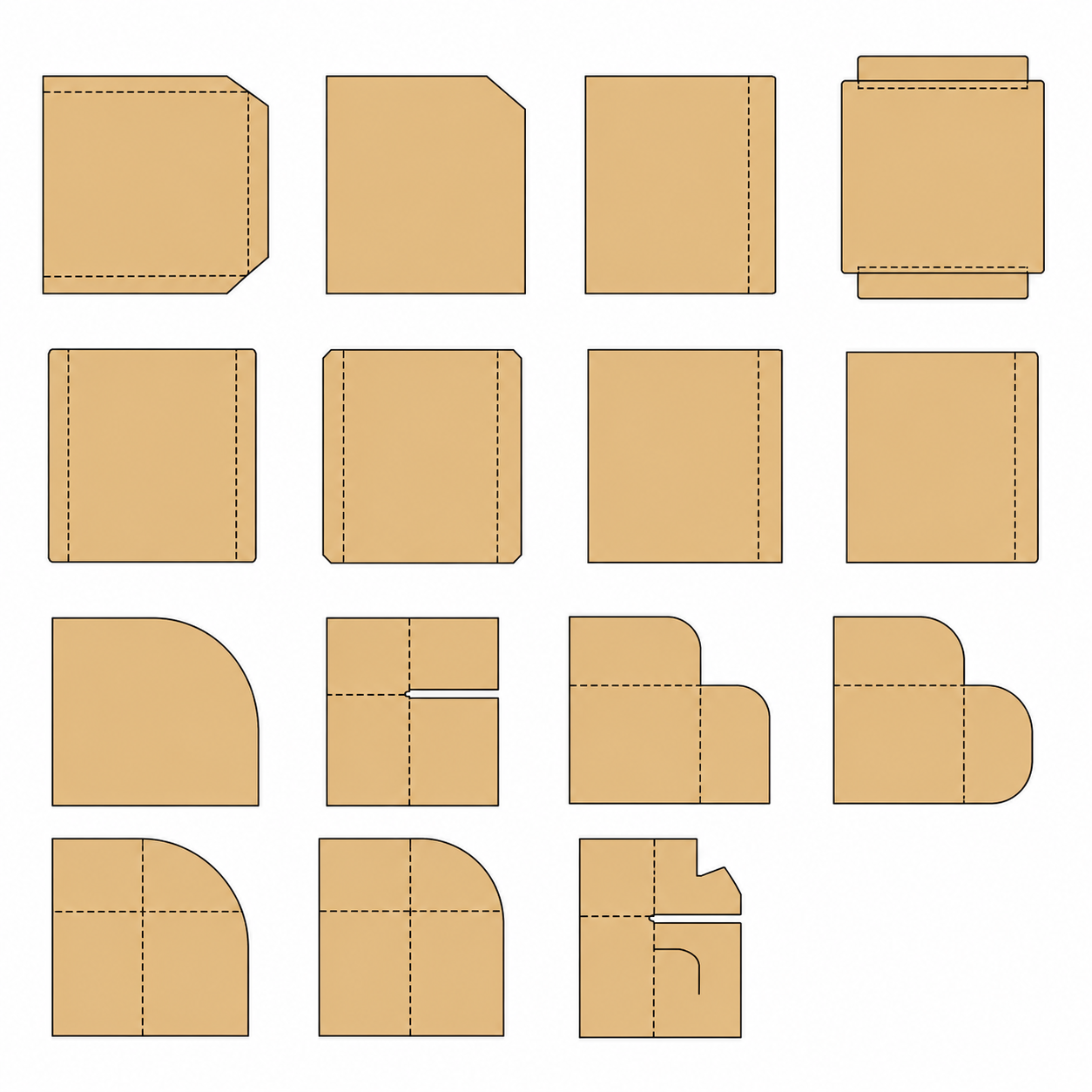
04. Types of Tabs
Slip sheets come in styles like “single lip” for maximizing truck space, or “multi-lip” for flexible loading in ocean or rail transport.
Different style
Why need use the paper slip sheet
Companies use slip sheets to achieve significant cost savings and improve operational efficiency. The key benefits are clear:
| Benefit Category | Specific Advantages |
|---|---|
| Cost Efficiency | • Lower material cost: Slip sheets are cheaper than wooden or plastic pallets. • Reduced shipping costs: Lighter weight lowers freight costs. • No pallet return fees: Eliminates logistics of pallet return. |
| Space Savings | • Compact storage: 1000 slip sheets take up just 1 m³, vs 70 m³ for pallets. • Higher container capacity: Save up to 10% of a container’s volume. |
| Sustainability & Eco-Friendliness | • Made from renewable resources: 100% virgin kraft linerboard. • 100% recyclable: Biodegradable and green. • No wood treatment: Avoids ISPM 15 chemical processes. |
| Improved Hygiene & Safety | • No nails or splinters: Protects products and workers. • Superior hygiene: More sanitary than wood (no pests/bacteria). |
| Logistics Optimization | • Faster handling: Quick loading/unloading with push-pull attachments. • Automation-friendly: Ideal for automated warehouses. |