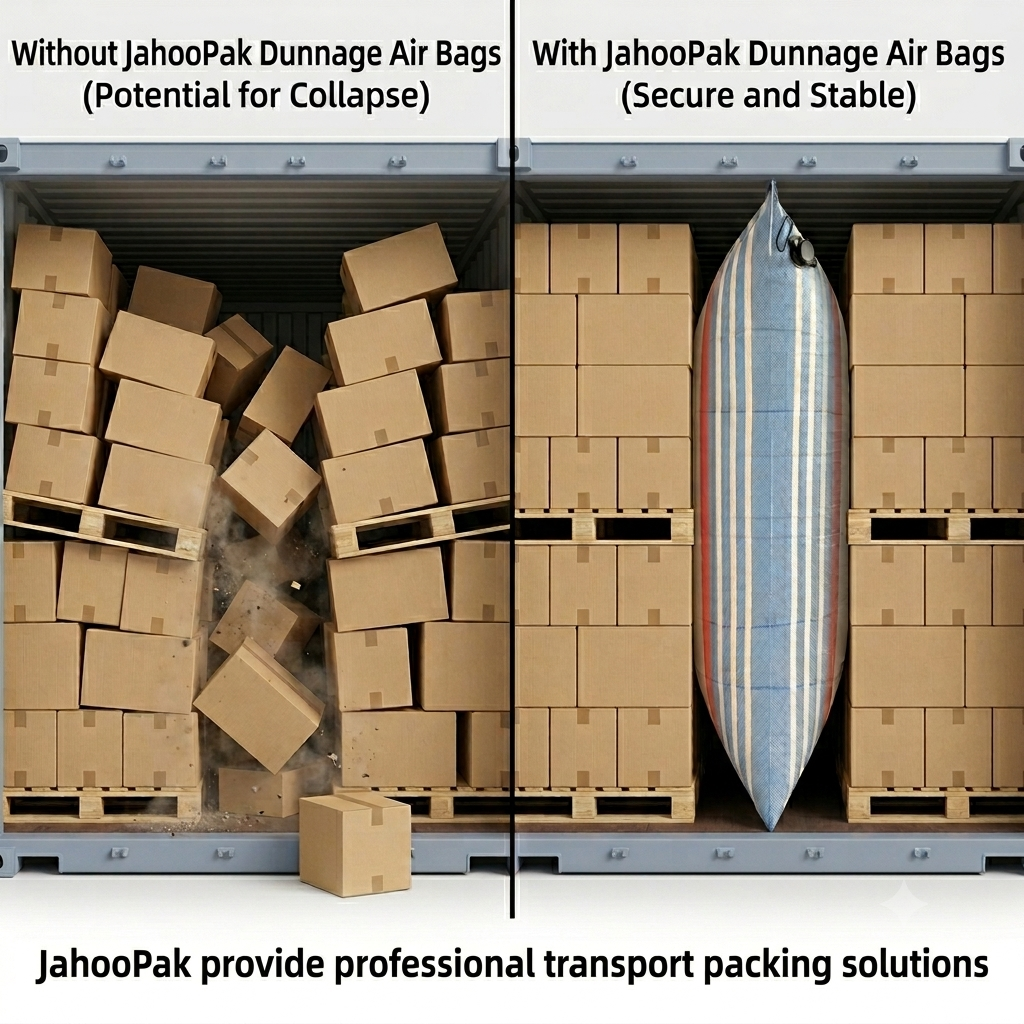
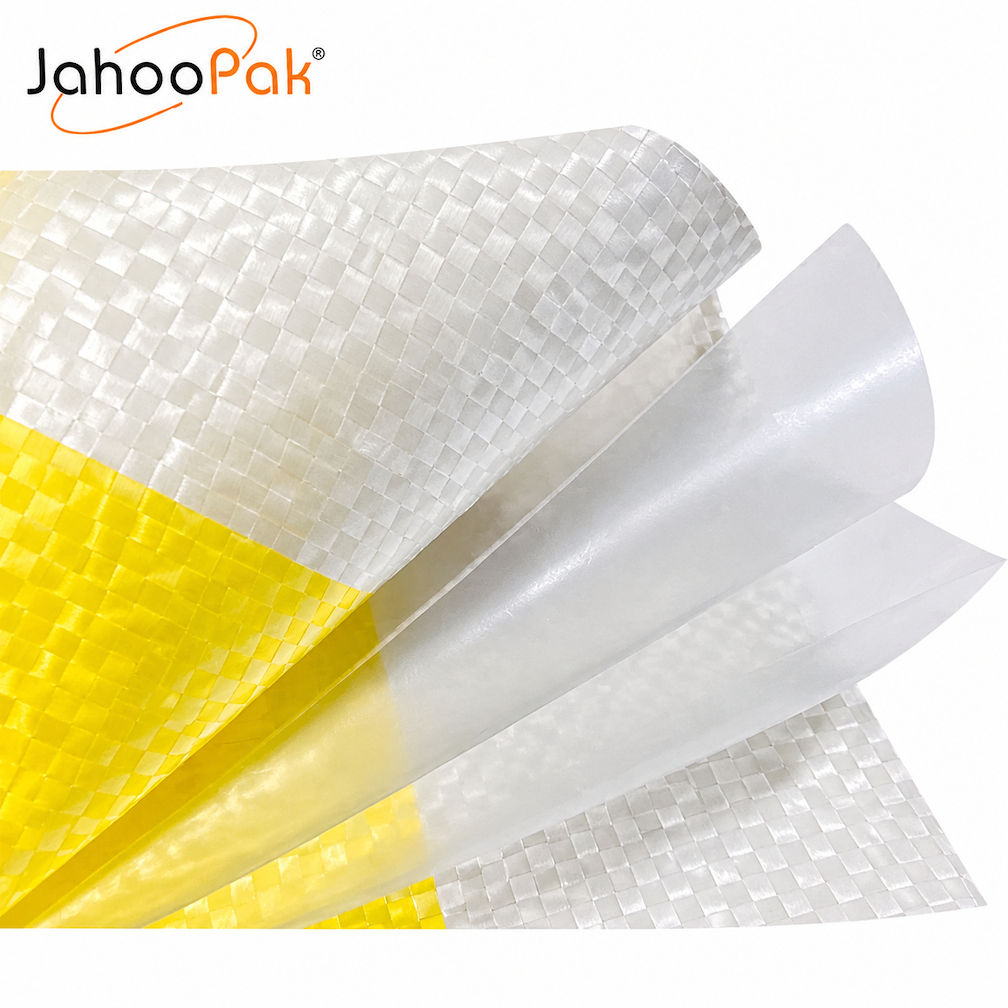
Details About PP Woven Air Bag:
How To Use Dunnage Air Bags
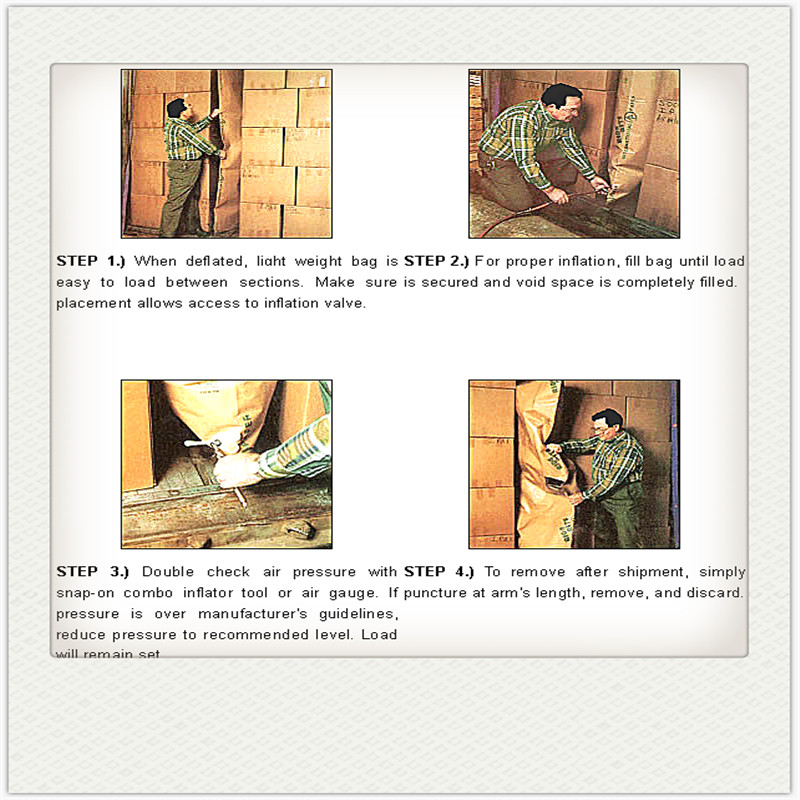
- 1 Confirm transport mode and load requirement: Identify whether your shipment is sea freight, rail transport or intermodal delivery. Select the proper AAR grade for your dunnage air bag according to cargo weight and force direction. Lighter grades fit side gaps, while heavy duty grades are required for gaps along the moving direction. Never select a lower grade to cut costs for heavy longitudinal loads.
- 2 Prepare auxiliary protective materials: Get cardboard sheets, plastic corner guards or rubber mats ready if the cargo has rough surfaces. These accessories create a buffer layer between the bag and abrasive goods. They reduce friction and puncture risk during long transit.
- 3 Position the bag and fix its location: Slide the dunnage air bag into the reserved gap. Keep the valve facing outward so you can reach it easily. Make sure the bag is not squeezed by uneven cargo stacks. Avoid twisting the bag body, which will weaken its supporting performance.
- 4 Complete inflation and pressure check: Turn on the inflator and fill air gradually. Pause frequently to shake the cargo lightly and check stability. Use a pressure gauge to monitor internal pressure. Do not go beyond the working pressure marked on the specification sheet.
- 5 Final inspection before container sealing: Walk through the whole container and check all installed bags. Look for air leakage around valves and surface scratches. Adjust loose bags and replace any defective ones. Close the container door only after all cargo stays fixed.
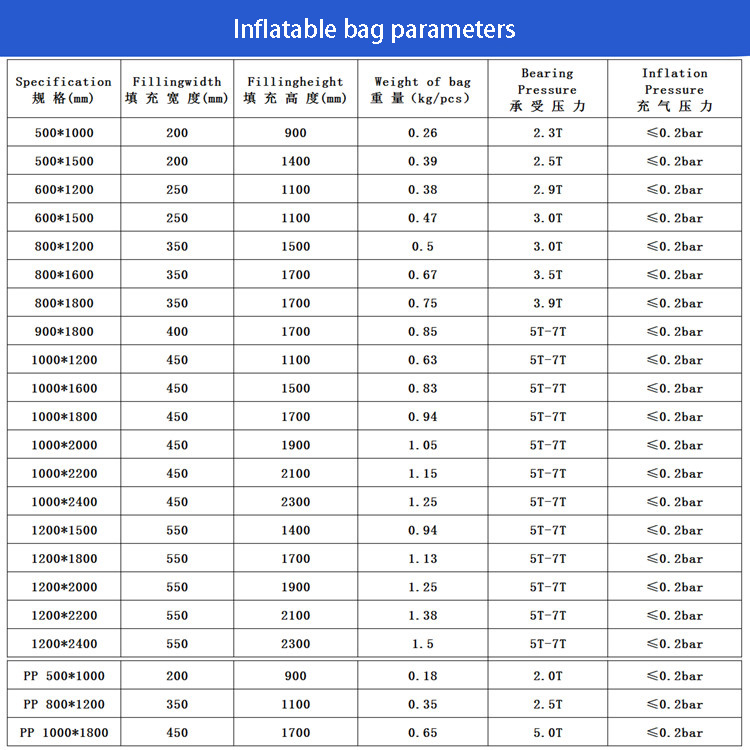
Popular size:
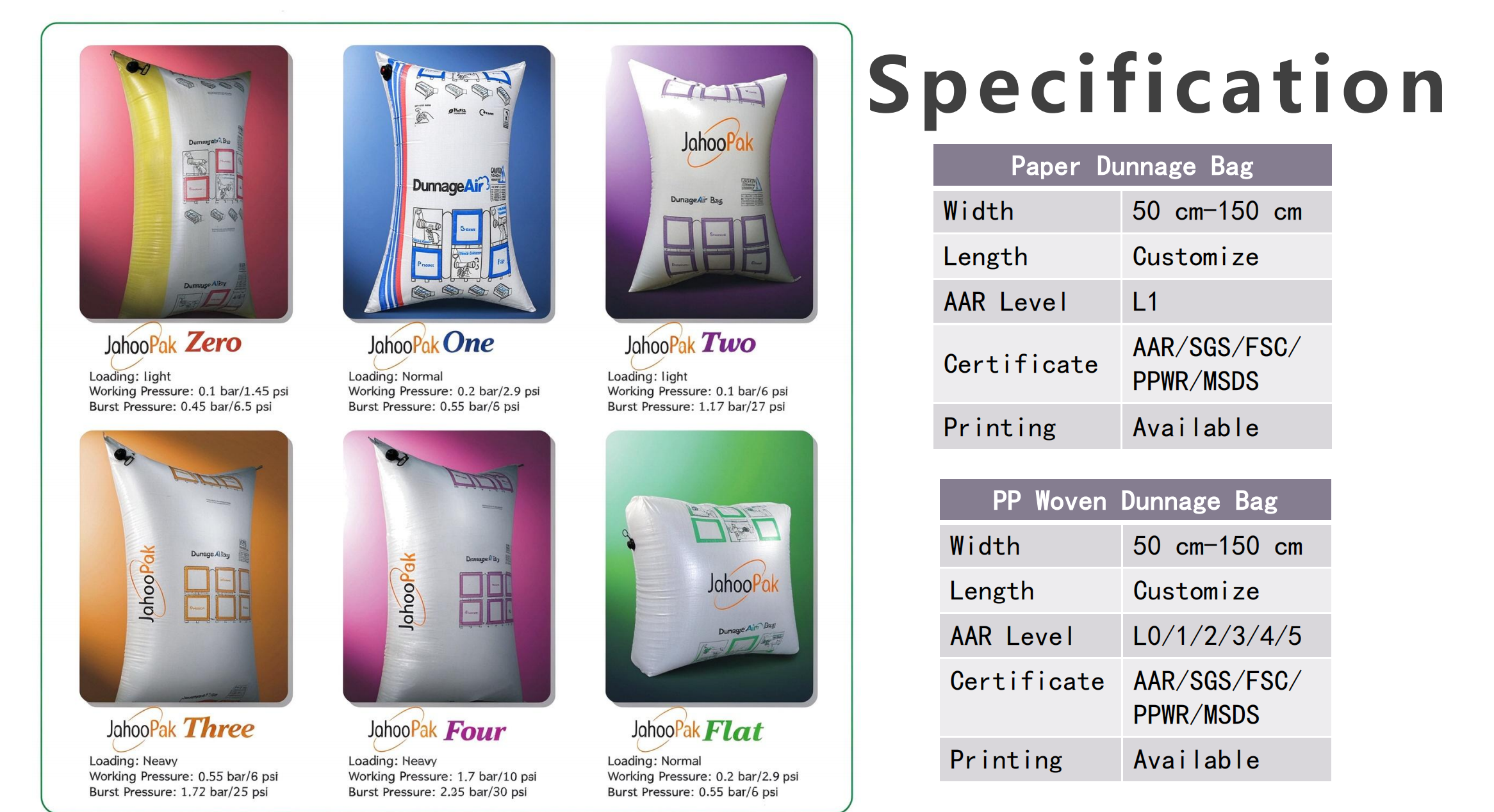
Bearing pressure is a core indicator when choosing dunnage air bags. Different sizes carry different load limits. Smaller sizes such as 500*1000 mm can support 2.3 tons. Medium sizes like 600*1200 mm can bear 2.9 tons. Large specifications starting from 900*1800 mm support 5 tons to 7 tons. The PP woven type also has independent load data. PP 1000*1800 mm can hold up to 5 tons. It is very important to match the bearing capacity with cargo weight. If the bag load capacity is lower than cargo thrust, goods will shift during sea or rail transportation and cause cargo damage.
Different Levels:
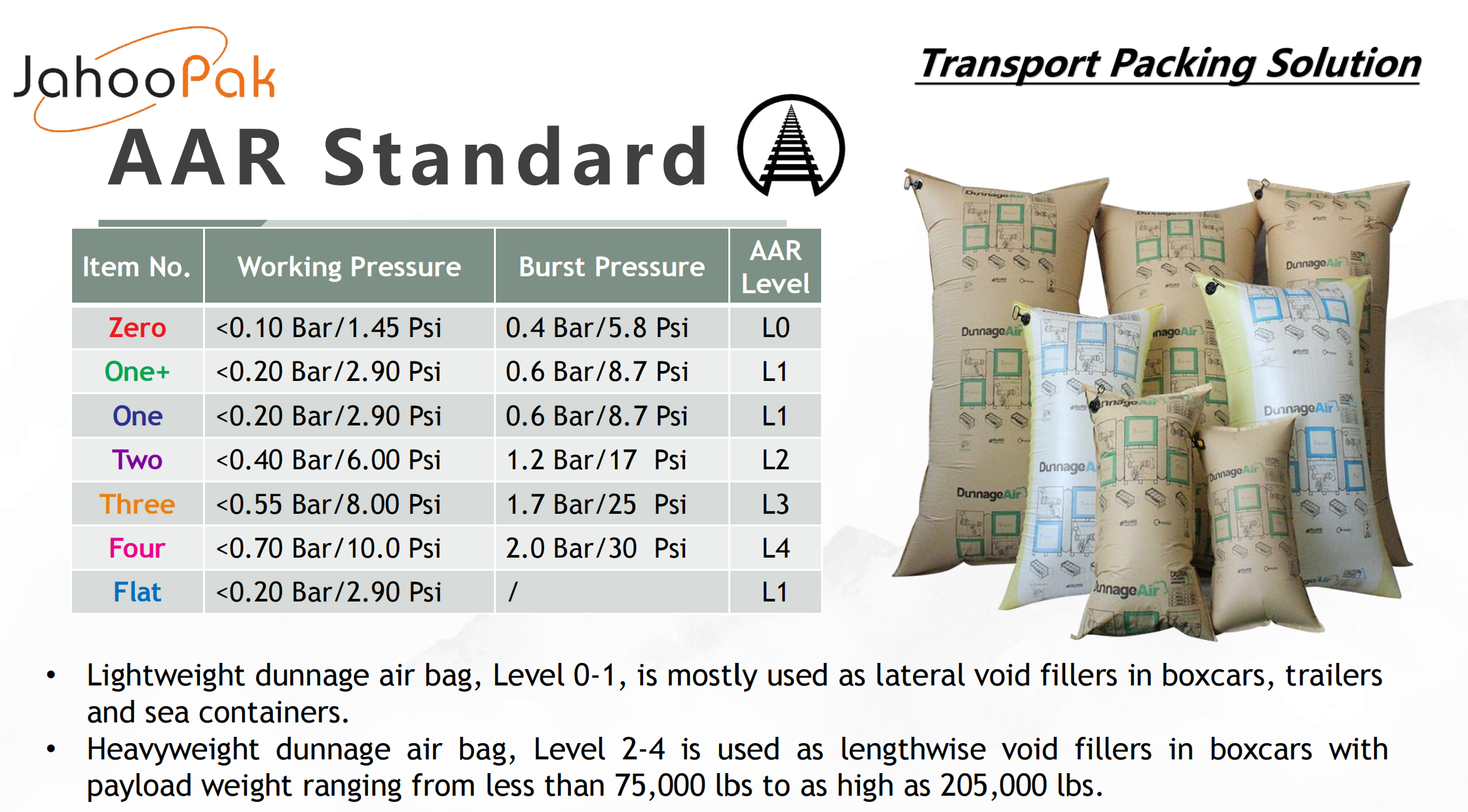
Lightweight dunnage bags of L0 and L1 levels are mainly used for lateral void filling. They fit boxcars, trailers and sea containers. When you have gaps on the side of cargo stacks, these light grade bags can lock goods and prevent side sliding. They are suitable for light and medium weight palletized cargo. They are easy to install and fill quickly. Many general merchandise exporters choose L0 and L1 bags for sea shipment. They can absorb the vibration during ocean transportation and reduce friction damage between cargo units. Do not use light grade bags for longitudinal heavy load fixing.
Specification:
Different grades of dunnage bags carry different pressure limits for safe transport. Zero grade is for light cargo with working pressure below 0.1 bar. One grade works under 0.2 bar and suits regular normal loading. Two grade supports up to 0.4 bar for medium weight goods. Three grade and Four grade are heavy duty options for heavy cargo, with working pressure up to 0.55 bar and 1.7 bar separately. Flat grade is designed for normal loading with 0.2 bar working pressure. You must select the correct grade according to your cargo thrust and transport mode. Wrong grade selection may lead to bag failure and cargo shifting during sea or rail transit.
Inflation Tools:
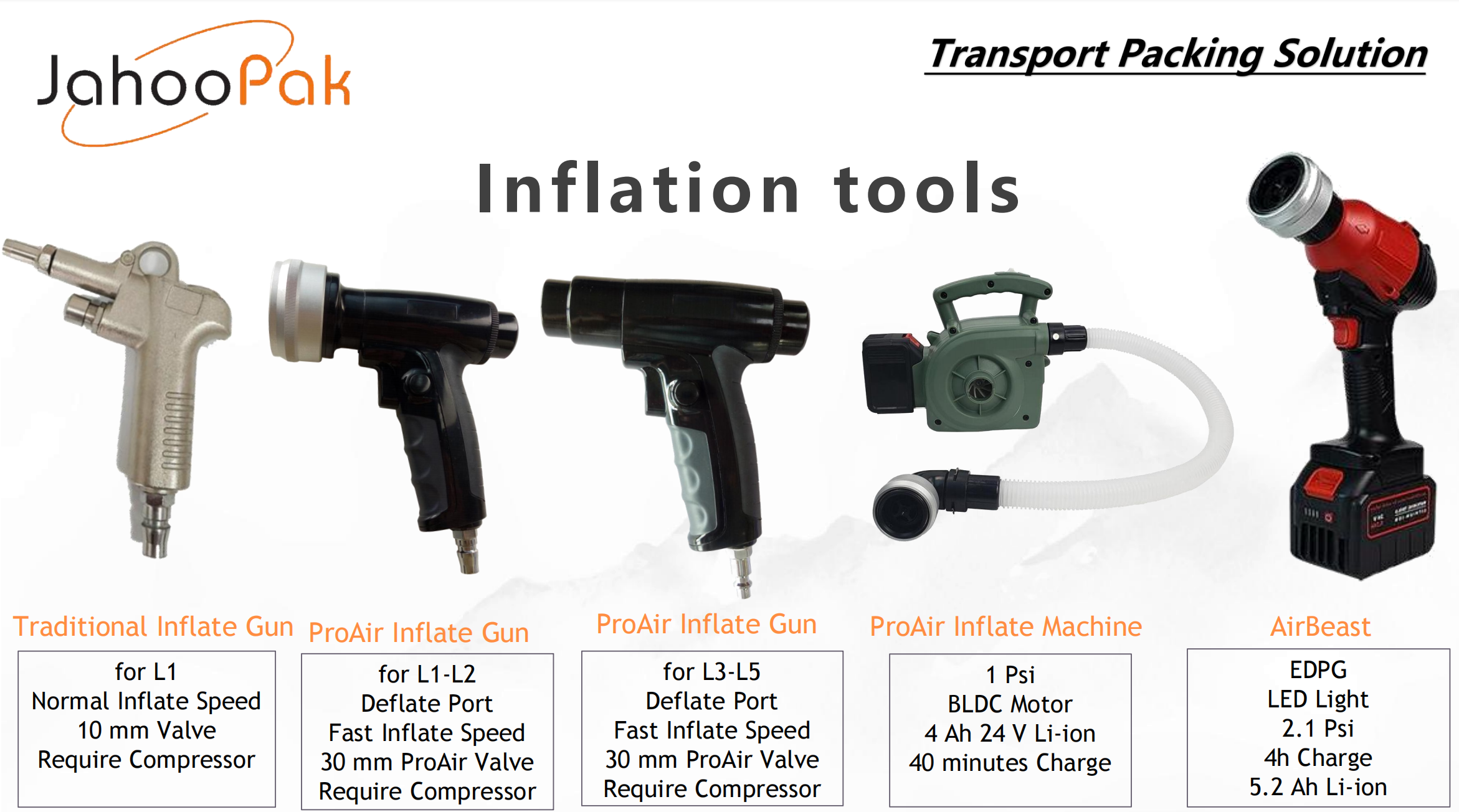
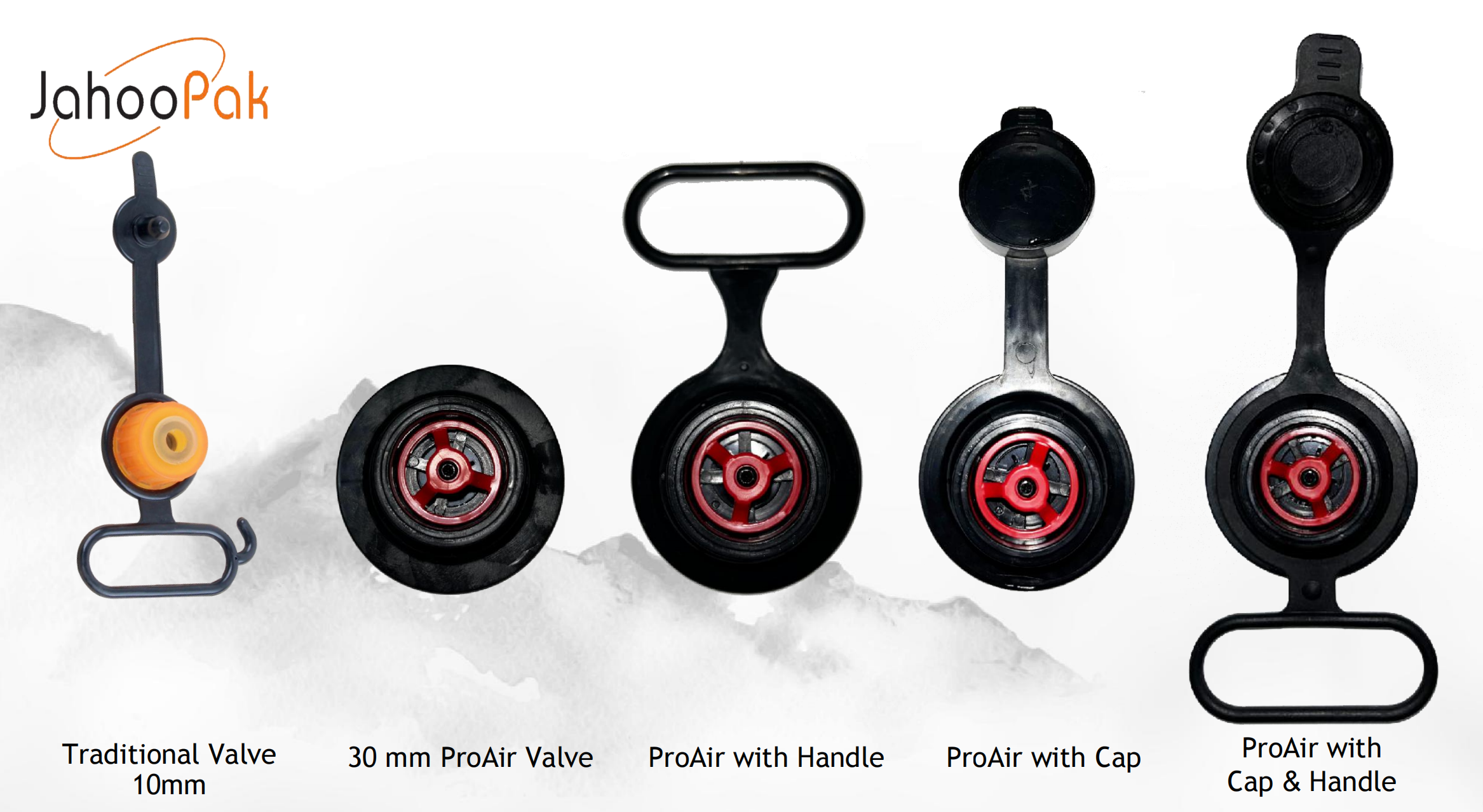
Our ProAir inflator is a dedicated inflation tool built for dunnage air bags. It comes with two separate ports for inflation and deflation, which brings great convenience for daily packing work. The nozzle supports 360 degree swivel design, so you can adjust the angle freely when filling bags in narrow container gaps. It delivers stable and consistent air pressure during inflation, which helps you avoid over inflating and bag burst. The high speed air flow greatly shortens filling time and improves loading efficiency. This inflator matches perfectly with our 30 mm ProAir valve series. It is widely used by forwarders and packaging teams for repeated container loading. It requires an air compressor to work and is a top choice for customers with large volume shipment needs.
Application:
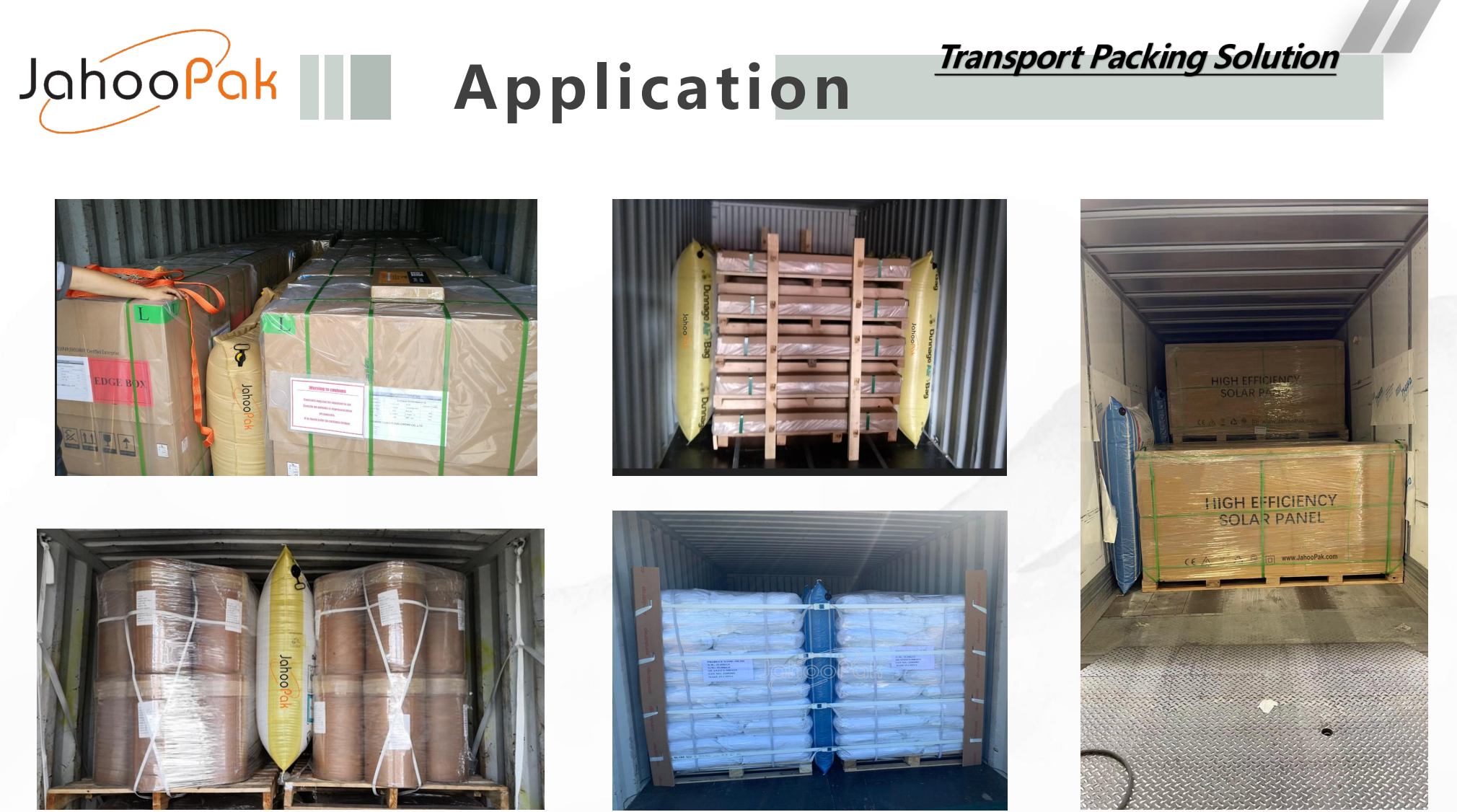
Scene Image